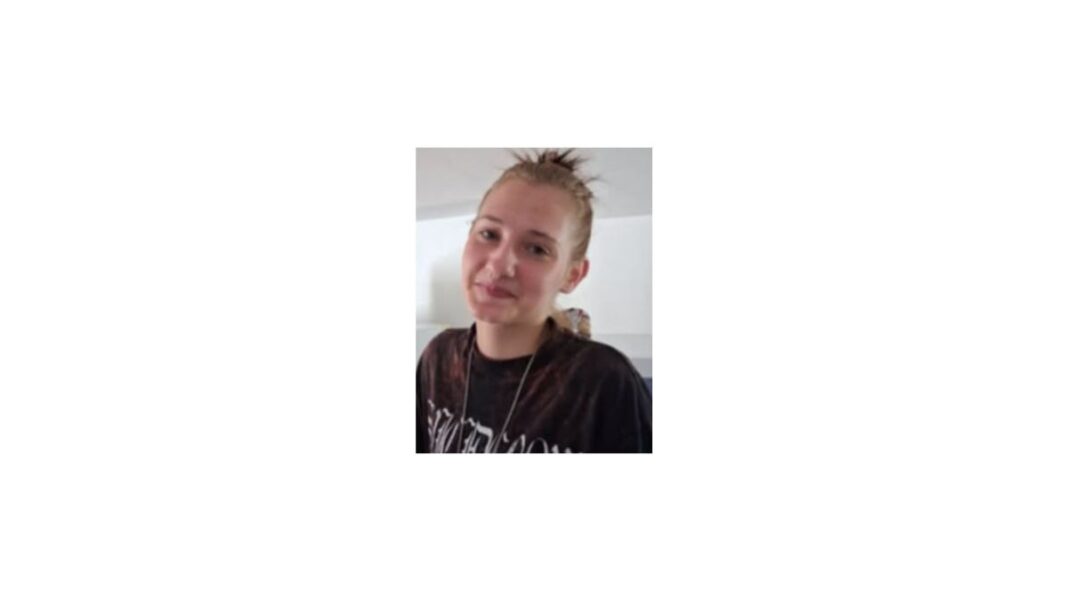
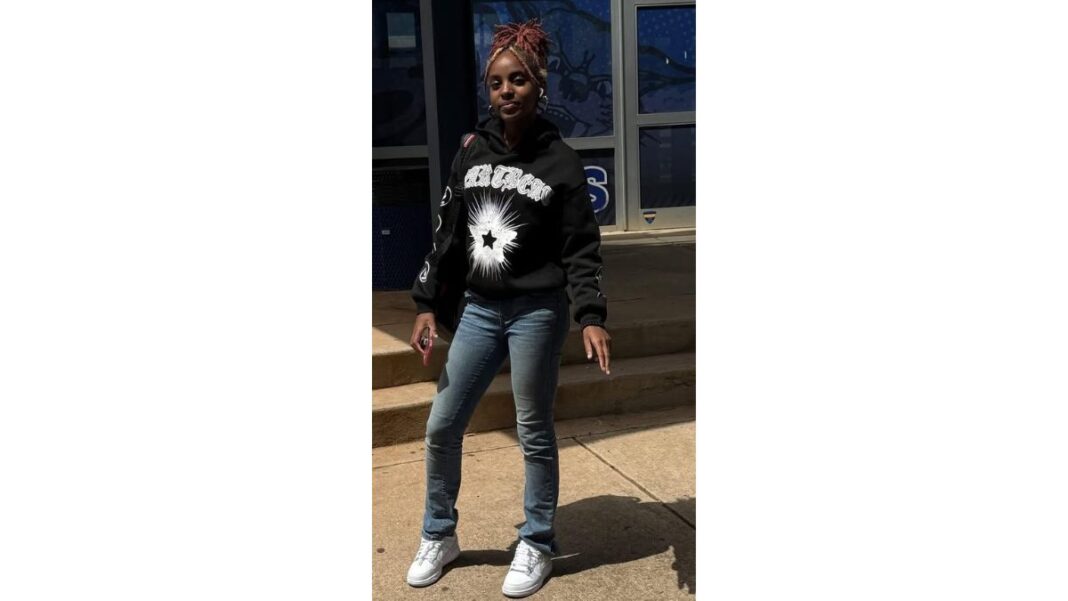

Gwinnett County police seek public help locating missing 15‑year‑old Jada Bluett, last seen in Loganville, Georgia.
The disappearance of 15‑year‑old Jada Bluett, sometimes mistakenly referred to online as Jada Bryant, has sparked urgent concern in Loganville, Georgia, and beyond.
According to the Gwinnett County Police Department, Bluett was last seen around 1:00 a.m. on August 15, 2025, at a relative’s home on Moos Creek Court.
Standing approximately 5’2” and weighing about 115 pounds, she was reported missing after failing to return home, and authorities have since classified her case as a missing juvenile.
Police have emphasized that time is critical in locating her safely, urging the public to come forward with any information that could assist investigators.
The case has quickly gained traction on social media, where posts under both names Bluett and Bryant have circulated, leading to some confusion.
While community members have shared appeals widely, law enforcement stresses the importance of relying on verified updates rather than unconfirmed posts, as misinformation can hinder search efforts and delay critical leads.
The Gwinnett County Police Department has asked anyone with information to call 770-513-5300, noting that even small details could prove vital.
Detectives continue to canvass the area, interview witnesses, and review surveillance footage in hopes of piecing together Bluett’s movements before she vanished.
Community response has been strong, with neighbors, local organizations, and online groups amplifying her story to ensure it reaches as many people as possible.
However, police caution that while social media can be a powerful tool, it must be used responsibly. Sharing unverified claims or confusing her name with Bryant risks spreading misinformation, which can complicate the investigation.
Instead, officials encourage the public to follow official channels such as the Gwinnett County Police Department’s bulletins and national missing persons databases for accurate updates.
The case highlights broader challenges in missing persons investigations, particularly when social media plays a central role.
While platforms like Facebook and Instagram can mobilize communities quickly, they also create opportunities for errors, misidentifications, and even exploitation.
In Bluett’s case, the circulation of posts under the name Jada Bryant demonstrates how easily confusion can arise, potentially diverting attention from the verified details investigators need the public to focus on.
Law enforcement agencies nationwide have repeatedly urged communities to treat missing persons alerts with care, ensuring that information shared online comes directly from police or trusted organizations.
For families, the spread of misinformation can be devastating, adding unnecessary stress to an already traumatic situation. For investigators, it can mean chasing false leads instead of focusing on actionable intelligence.
Despite these challenges, the outpouring of concern for Bluett underscores the strength of community solidarity in times of crisis. Local residents have organized search efforts, shared verified flyers, and offered support to her family.
News outlets, including NewsBreak, have published appeals to raise awareness, ensuring her case remains visible. National missing persons organizations have also amplified the alert, adding her profile to databases that reach audiences far beyond Georgia.
These efforts reflect a growing recognition that public involvement is often crucial in missing persons cases, where tips from ordinary citizens can lead to breakthroughs.
Police continue to stress that anyone who may have seen Bluett or has knowledge of her whereabouts should come forward immediately, as even seemingly minor observations could help bring her home.
As the search continues, the case of Jada Bluett serves as a reminder of the importance of accuracy, vigilance, and compassion in responding to missing persons alerts.
While social media can be a powerful ally, it must be balanced with responsibility, ensuring that families and investigators receive the support they need without the distraction of misinformation.
For Bluett’s loved ones, the hope remains that community awareness and police persistence will lead to her safe return. For the public, the call to action is clear: share verified information, remain alert, and report any details directly to law enforcement.
In moments like these, collective responsibility can make the difference between uncertainty and resolution, and every effort counts toward bringing Jada Bluett safely home.