
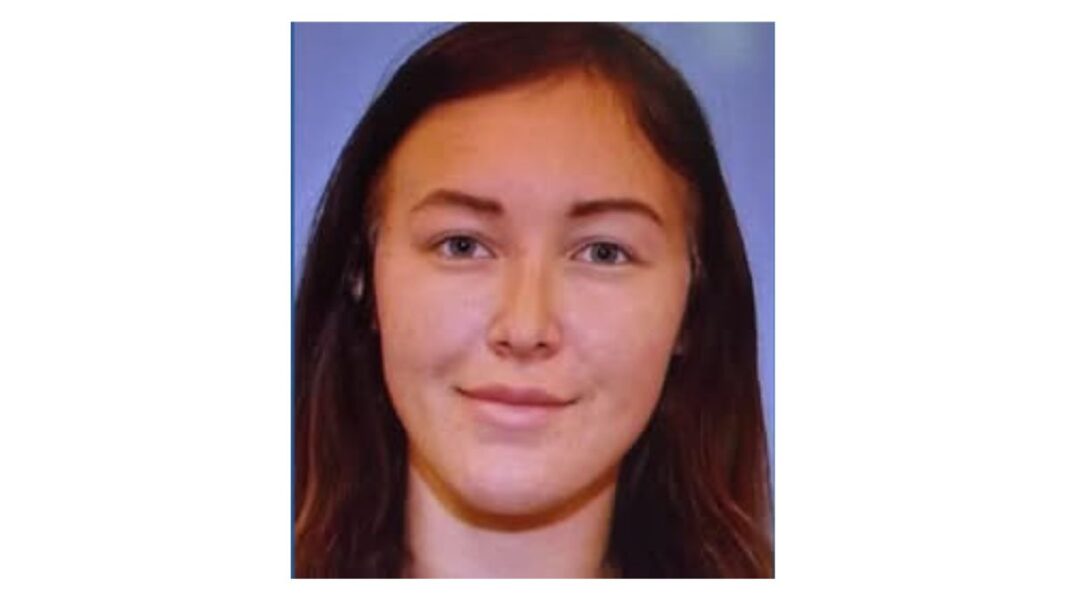

Authorities Investigate Human Remains Found Along St. Joe River, Possible Connection To Missing Idaho Woman Chantel Williams Reported December 2025
Human remains discovered along the St. Joe River in Shoshone County, Idaho, are being investigated as possibly connected to the disappearance of 24‑year‑old Chantel Williams, who was reported missing in December 2025.
The discovery was made on July 5, 2026, when a kayaker spotted skeletal remains in a shallow lagoon near mile marker 23 on St. Joe River Road.
Authorities from the Shoshone County Sheriff’s Office and Coroner Rick Smith coordinated the recovery, and the remains were sent to the Spokane Medical Examiner’s Office for DNA testing to confirm identification.
While officials have notified Williams’ family of the discovery, they emphasize that identification is still pending, and no official confirmation has yet been made.
The case has drawn significant attention in northern Idaho, where residents have followed the search for Williams since her disappearance more than six months ago.
Williams was last seen near Marble Creek along the St. Joe River on December 13, 2025. At the time, the river was running high due to flooding, creating dangerous conditions.
Witnesses reported that she may have entered the water during a mental health crisis, a detail that added urgency to the search efforts.
Silver Valley Search and Rescue teams joined the initial operation, combing the riverbanks and surrounding forested areas, but no trace of her was found.
The disappearance left her family and community searching for answers, and the recent discovery of remains has reopened the painful chapter with the possibility of closure.
Authorities have stressed that while the location and circumstances suggest a connection, only forensic testing can provide certainty.
The St. Joe River region is known for its beauty but also for its hazards. Seasonal flooding often creates treacherous currents, and the river’s remote location makes rescue operations difficult.
In December 2025, when Williams went missing, the river was swollen from heavy rains, and conditions were described as extremely dangerous.
Search crews faced challenges with high water levels, debris, and limited visibility. Despite these obstacles, volunteers and professionals worked tirelessly to locate her, but the river yielded no immediate clues.
The discovery in July 2026, downstream from Calder, Idaho, highlights how powerful currents can carry remains far from the original point of entry, complicating recovery efforts.
For Williams’ family, the wait for answers has been agonizing. The possibility that the remains belong to her offers a chance for closure, but also prolongs the uncertainty until DNA results are finalized.
The Spokane Medical Examiner’s Office is conducting the necessary testing, a process that can take weeks. In the meantime, the community has rallied around the family, offering support and remembering Williams as a young woman whose life was cut short under tragic circumstances.
Her disappearance underscored the importance of mental health resources, particularly in rural areas where access to crisis support can be limited.
Friends and family have spoken about her struggles, hoping that her story will raise awareness and encourage others to seek help before reaching a breaking point.
The investigation into the remains continues, with authorities carefully documenting the recovery site and preserving evidence. While foul play is not suspected, officials are treating the case with the seriousness it deserves, ensuring that all possibilities are considered.
The Sheriff’s Office has asked the public to respect the family’s privacy during this difficult time, while also acknowledging the community’s interest in the case.
Local residents have expressed both sorrow and relief, recognizing that the discovery may finally bring answers after months of uncertainty.
The case of Chantel Williams has become a reminder of the dangers posed by natural environments, the fragility of life, and the importance of community support in times of crisis.
As the investigation moves forward, the focus remains on identification and providing closure for the family. The discovery along the St. Joe River may mark the end of a long search, but it also serves as a somber reminder of the risks faced by those struggling with mental health challenges in isolated areas.
Authorities continue to emphasize safety along the river, urging residents and visitors to exercise caution during flood conditions.
For now, the community waits for the results from Spokane, hoping that the answers will finally bring peace to the family of Chantel Williams and allow them to lay her memory to rest with dignity.