
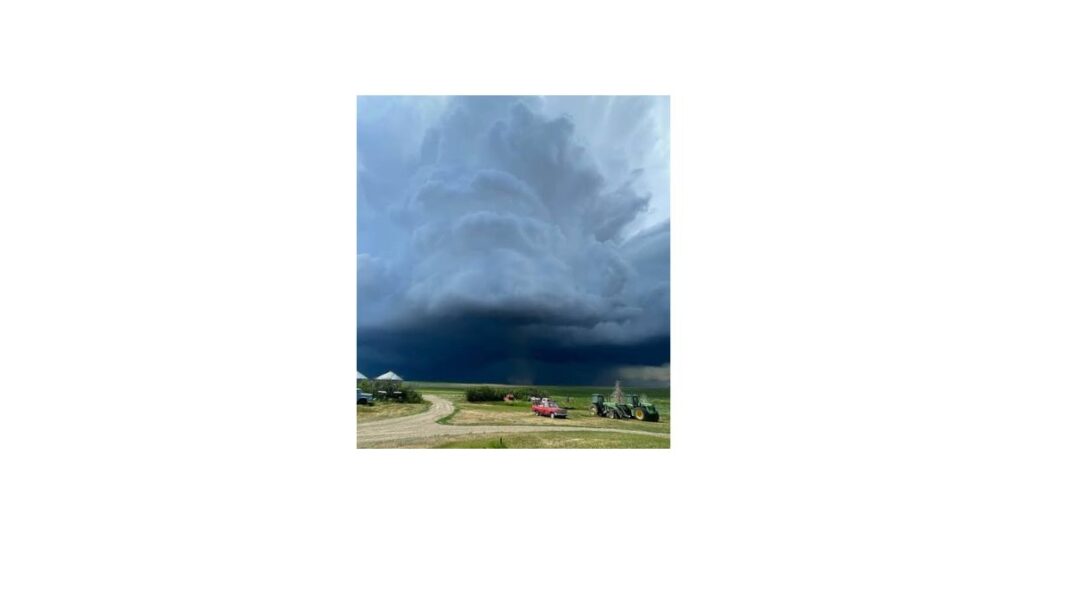

Paradise Valley, Arizona, faced severe monsoon storms today with strong winds and rain; the National Weather Service confirmed no tornado activity.
Today, July 9, 2026, residents of Paradise Valley, Arizona, experienced severe monsoon weather that sparked concern across the community, though no tornado was confirmed by the National Weather Service.
The day began with heavy cloud cover and rising humidity, typical of Arizona’s summer monsoon season. By the afternoon, strong thunderstorms rolled through the Phoenix metro area, bringing gusty winds, lightning, and localized downpours.
Social media posts from residents described dramatic skies and swirling dust, leading to speculation that a tornado might have touched down.
However, the National Weather Service Phoenix office confirmed that while conditions were turbulent, no tornado warnings were issued, and no tornado activity was recorded in Paradise Valley.
Arizona is not typically known for tornadoes, though they do occur occasionally. On average, the state sees fewer than ten tornadoes per year, most of them weak EF0 or EF1 events that cause limited damage compared to the destructive storms common in the Midwest.
Tornadoes in Arizona are often associated with monsoon thunderstorms, which can produce sudden shifts in wind direction and localized rotation.
Today’s storms fit the pattern of monsoon activity, with towering cumulonimbus clouds, heavy rainfall, and strong downdrafts, but lacked the sustained rotation necessary to classify as a tornado.
Instead of tornadoes, Arizona’s monsoon season is more notorious for other hazards. Dust storms, known locally as haboobs, can sweep across highways with little warning, reducing visibility to near zero.
Flash flooding is another major risk, as intense rainfall can overwhelm dry washes and low‑lying areas in minutes.
Paradise Valley residents today were reminded of these dangers as storm runoff filled streets and lightning strikes lit up the sky. Emergency officials urged caution, advising drivers to avoid flooded roadways and to remain indoors during the height of the storm.
The confusion over a possible tornado highlights the importance of clear communication during severe weather events. Tornadoes are rare in Arizona, but the dramatic visuals of swirling dust and storm clouds can easily be mistaken for one.
The National Weather Service relies on radar data, trained spotters, and public reports to confirm tornado activity. In today’s case, radar scans showed strong thunderstorms but no tornadic rotation.
Local authorities emphasized that while no tornado occurred, the storm was still dangerous, and residents should treat all severe weather with caution.
Looking at broader trends, Arizona has seen only one confirmed tornado in 2026, back in January. Nationwide, July has produced a handful of tornadoes, including a weak EF0 in Iowa earlier this month, but none in Arizona.
This underscores the rarity of tornadoes in the state, even during peak monsoon season. Paradise Valley’s experience today was more typical of Arizona’s summer weather heavy rain, gusty winds, and the ever‑present risk of flash flooding.
For residents, the takeaway is clear. Tornadoes may not have struck Paradise Valley today, but monsoon storms remain a serious hazard.
Preparedness is key keeping emergency kits stocked, monitoring National Weather Service alerts, and avoiding risky behavior during storms can save lives.
As the monsoon season continues through September, Paradise Valley and the wider Phoenix area will likely see more days like this, with dramatic skies and powerful storms. While tornadoes remain unlikely, vigilance against flooding, dust storms, and lightning is essential.
In the end, July 9, 2026 will be remembered not for a tornado, but for the reminder that Arizona’s monsoon season demands respect. Paradise Valley residents weathered the storm, and officials continue to stress the importance of staying informed and prepared.
Severe weather may come and go quickly, but its impact can be lasting, and today’s events reinforced the need for caution during Arizona’s summer storms.