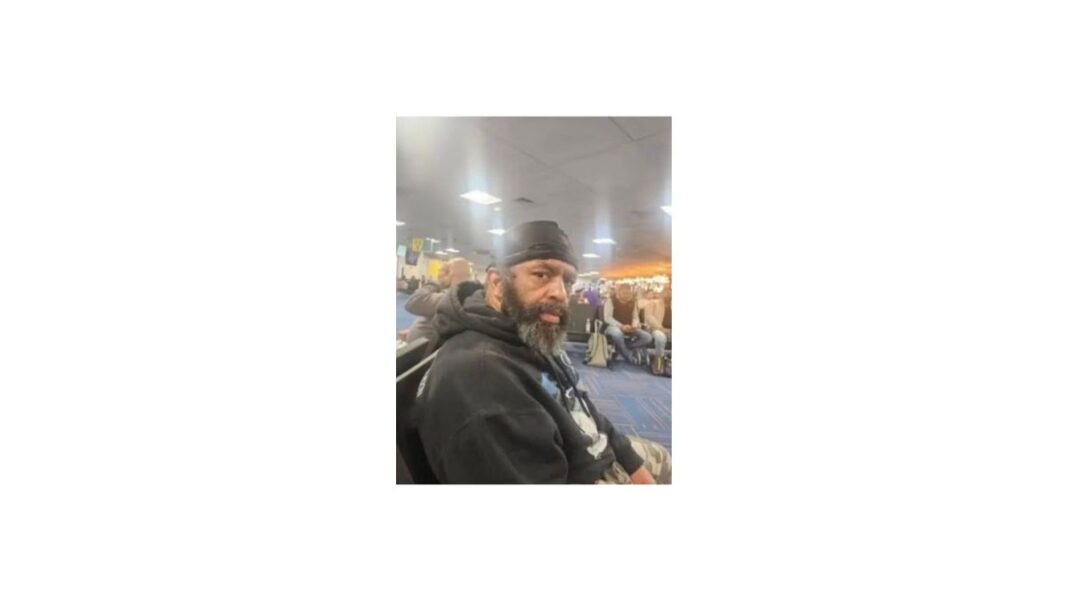
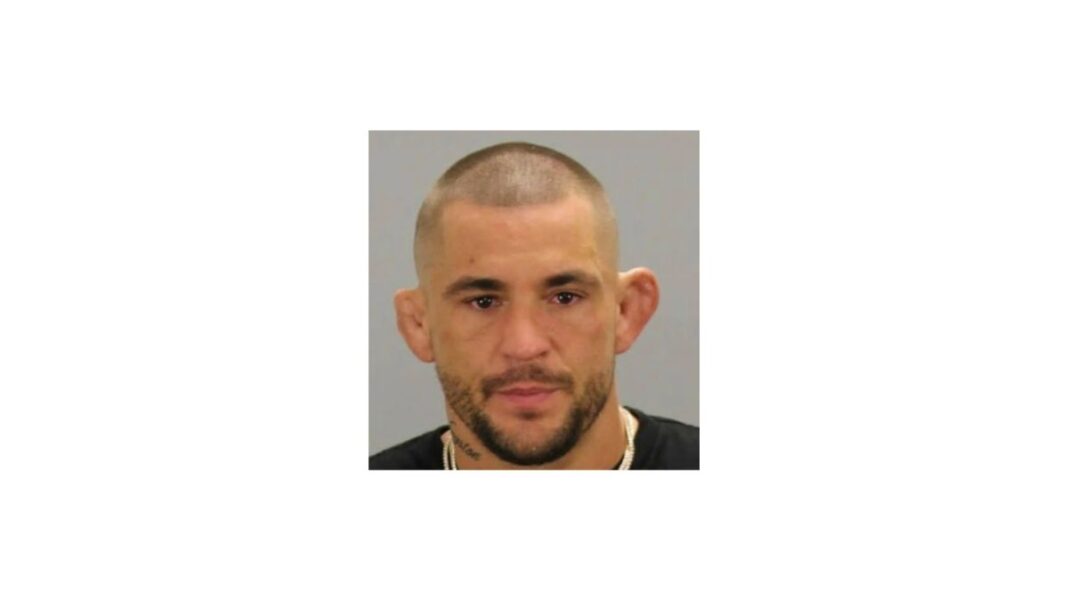

Former UFC champion Dustin Poirier arrested at Atlanta airport for public intoxication; admits struggles with alcohol, vows recovery and sobriety.
Former UFC star Dustin Poirier was arrested on Father’s Day at Hartsfield‑Jackson Atlanta International Airport after being denied boarding a Delta flight.
According to police reports, Poirier became combative with airline staff and officers, leading to his arrest for misdemeanor public intoxication.
He was booked into Clayton County Jail and released on bond within hours. The incident quickly drew national attention, not only because of Poirier’s stature in the world of mixed martial arts but also because of the viral bodycam footage that circulated on social media showing the arrest.
Poirier, 37, retired from professional fighting in July 2025 after a unanimous decision loss to Max Holloway at UFC 318.
He ended his career with a record of 30‑10, including 15 knockouts, and was widely respected for his resilience, toughness, and ability to deliver memorable performances inside the octagon.
Following his retirement, Poirier transitioned into broadcasting, working as a UFC analyst on Paramount.
Despite his success in the sport and his new role, Poirier admitted earlier this year that alcohol had become a challenge in retirement, noting that the absence of daily training and structure left him vulnerable to unhealthy habits.
After his arrest, Poirier took to Instagram to address the situation directly. In a candid post, he acknowledged his struggles with alcohol, writing that he is at the point where I need some help.
He explained that his drinking had begun to affect his family life, and he expressed a commitment to sobriety, emphasizing that he wanted to focus on recovery for his wife Jolie and their two children.
Poirier also reflected on his father’s struggles with alcoholism, vowing to break the cycle and set a better example for his family.
His openness about the issue resonated with fans and fellow fighters, many of whom praised his honesty and offered messages of support.
The arrest highlights the challenges athletes often face after retirement. For years, Poirier’s life revolved around training camps, fight preparation, and competition.
Once that structure disappeared, he found himself confronting personal battles without the discipline that had defined his career. Analysts have pointed out that his situation underscores the importance of support systems for athletes transitioning out of professional sports.
Retirement can bring freedom, but it can also expose vulnerabilities, particularly when athletes struggle to adapt to life outside the spotlight.
Community reaction to Poirier’s arrest was swift. While some expressed disappointment, many applauded his willingness to confront his issues publicly.
Fans and peers noted that his transparency could encourage broader conversations about mental health and substance abuse among retired athletes.
The incident, though embarrassing, may ultimately serve as a turning point in Poirier’s life, pushing him toward recovery and setting an example of accountability.
His legacy in the UFC remains intact, defined by his grit, determination, and memorable fights, and his willingness to address personal struggles openly may add another layer of respect to his career.
As Poirier works to rebuild, his story serves as a reminder that even the toughest fighters face battles outside the cage.
His arrest underscores the reality that fame and success do not shield individuals from personal struggles, and his candid acknowledgment of needing help may inspire others to seek support when facing similar challenges.
For now, Poirier’s focus is on his family, his health, and his commitment to sobriety. The incident at Atlanta’s airport may mark a difficult chapter, but it also represents an opportunity for growth, healing, and redemption.