Wyoming and Washington – A series of avalanches across the western United States over the weekend left three people dead, highlighting ongoing and elevated avalanche dangers following recent weather shifts. The incidents occurred in Wyoming and Washington as warming temperatures followed fresh snowfall, creating unstable snowpack conditions, according to reporting from Weather.com.
Snowmobiler Killed in Wyoming Avalanche
On Sunday, 31-year-old Nicholas Bringhurst of Springville, Utah, was killed after being caught in an avalanche while snowmobiling in the Labarage Creek area of Wyoming.
The Lincoln County Sheriff’s Office said Bringhurst was located by a friend who immediately began CPR. Although Bringhurst was not buried beneath the snow, officials said he died as a result of injuries sustained during the avalanche.
In a press release, the Sheriff’s Office stated that the Lincoln County Coroner’s Office will determine the official cause of death.
Two Killed in Washington Backcountry Avalanche
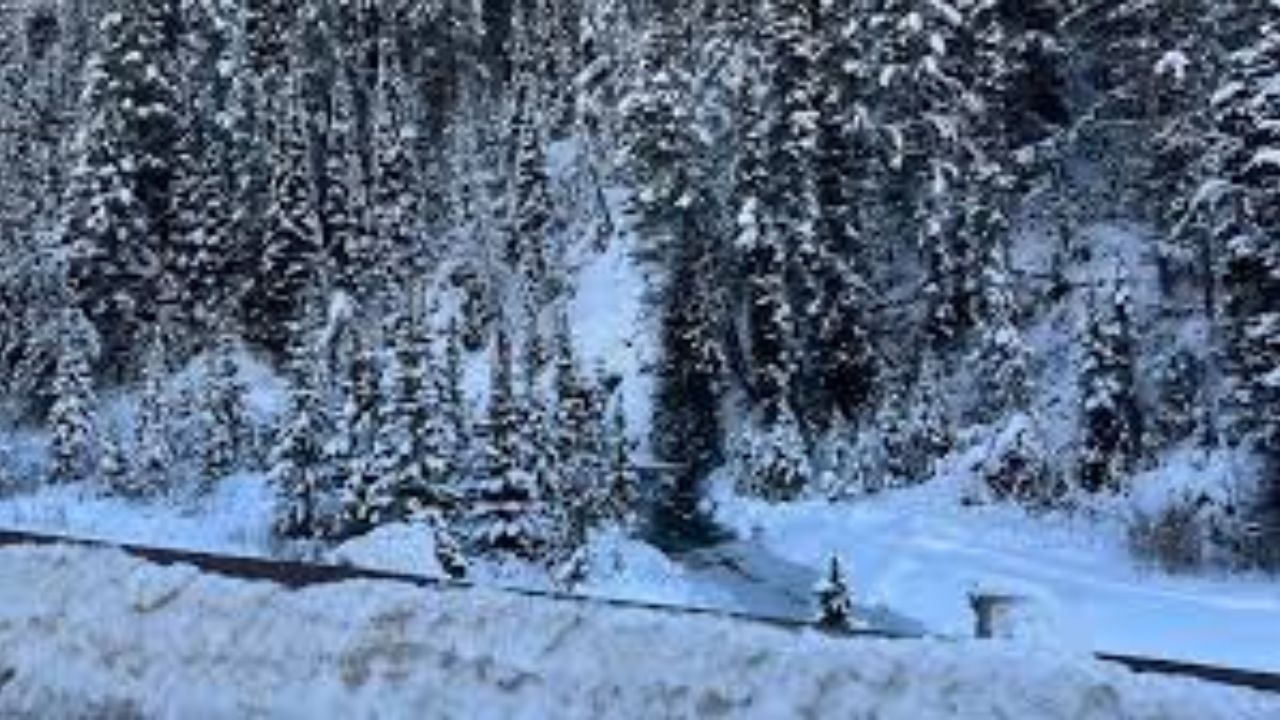
In a separate incident, four men snowmobiling in the backcountry of northern Kittitas County, Washington, were caught in an avalanche near Longs Pass on Friday afternoon around 4 p.m.
The Kittitas County Sheriff’s Office confirmed that two men were killed:
- Paul Markoff, 38, of North Bend, Washington
- Erik Henne, 43, of Snoqualmie Pass
Rescue crews reached the two survivors, Ian Laing and Patrick Leslie, by Friday evening. However, hazardous weather and avalanche conditions prevented immediate recovery of the victims.
Search-and-rescue teams returned Saturday morning with three avalanche-trained K9 units, and the victims’ bodies were later airlifted from the area.
Warming Temperatures Increasing Avalanche Risk
Meteorologists say the recent avalanches are linked to changing weather patterns across the West. After receiving beneficial fresh snowfall, the region experienced warmer, sunnier conditions that destabilized the snowpack.
Jennifer Gray, a meteorologist with Weather.com, explained that rapid warming can saturate new snow, weakening its bond with older layers beneath it.
“This can lead to the fresh snow becoming too heavy for the old snowpack to hold and therefore, the slab to slide, which is the avalanche,” Gray said.
She added that temperatures across much of the West are currently 10 to 20 degrees above average, including parts of Colorado and Washington, which is expected to keep avalanche danger elevated in the coming days.
Avalanche Deaths Continue to Climb This Season
Excluding the two fatalities in Washington, the National Avalanche Center has recorded four additional avalanche-related deaths this season, including two in California and two in Wyoming.
Officials with the center urge skiers, snowboarders, and snowmobilers to review avalanche forecasts and terrain-specific danger maps before entering mountainous or backcountry areas.
Ongoing Risk Prompts Safety Warnings
Authorities continue to warn that even experienced backcountry users face heightened risks during periods of rapid warming following snowfall. Rescue agencies emphasize preparedness, avalanche awareness training, and constant monitoring of local conditions before venturing into avalanche-prone terrain.
If you want, next time I can also:
- Shorten this for NewsBreak push
- Rewrite with state-specific SEO
- Create a Weather category variant
Just send the next data.