Washington, D.C. – The United States military carried out another deadly strike on an alleged drug trafficking vessel in the Caribbean, killing three people, according to Defense Secretary Pete Hegseth. The operation, part of Washington’s controversial anti-narcotics campaign, has now resulted in at least 70 deaths since it began in early September.
The Incident: Latest Strike on Alleged Narco Vessel
The Pentagon confirmed that U.S. forces targeted a boat operating in international waters, describing it as being “operated by a Designated Terrorist Organization.” The strike destroyed the vessel and killed all three men on board.
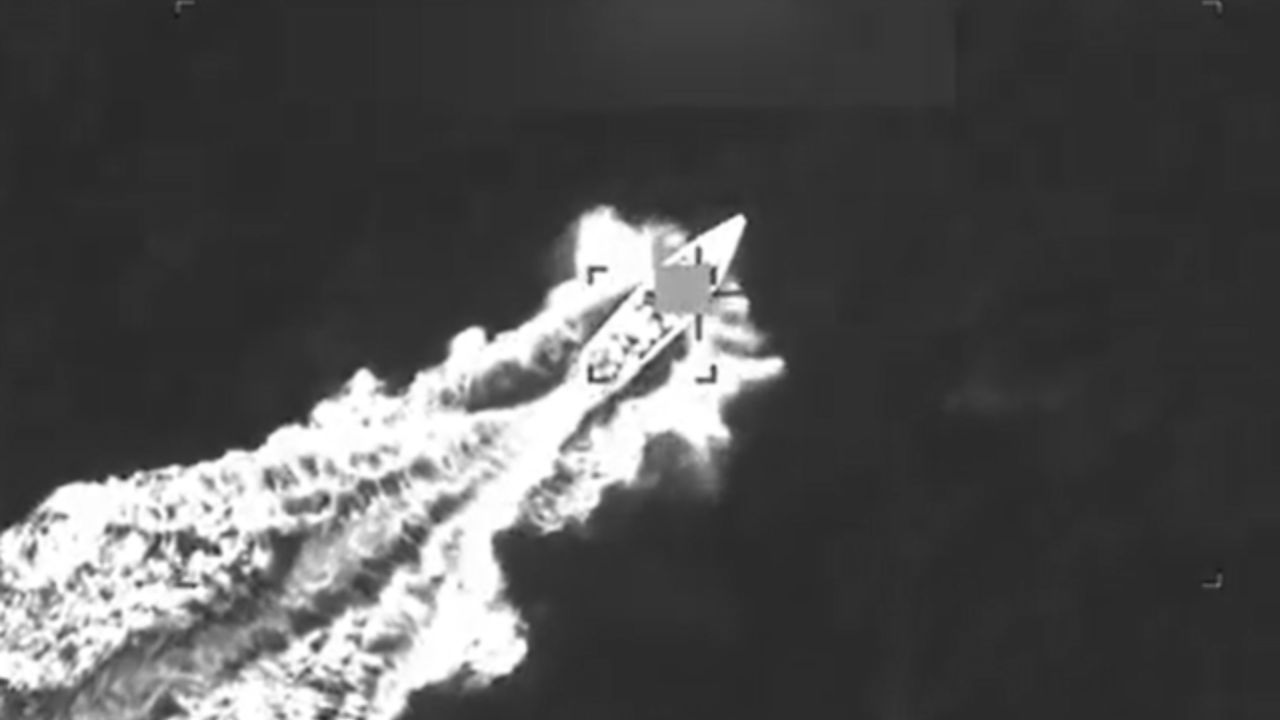
Hegseth shared aerial footage of the attack on X (formerly Twitter), showing the boat traveling before suddenly exploding into flames.
“Three male narco-terrorists — who were aboard the vessel — were killed,” Hegseth said, without identifying the victims.
“To all narco-terrorists who threaten our homeland: if you want to stay alive, stop trafficking drugs. If you keep trafficking deadly drugs — we will kill you.”
This was the 18th vessel destroyed under the U.S. campaign, which has included 17 boats and one “narco sub”. The Pentagon maintains that all strikes have been conducted in international waters to target what it calls drug-terror networks operating in the Caribbean and eastern Pacific.
Investigation and International Reactions
Despite repeated U.S. claims that the targets were linked to narcotics trafficking, Washington has not provided concrete evidence proving that those killed were drug smugglers or posed an immediate threat.
Several foreign governments and families of the deceased have publicly stated that many of the victims were fishermen and civilians, not traffickers.
The United Nations High Commissioner for Human Rights, Volker Türk, has urged the United States to cease the operations, calling the killings “extrajudicial” and warning that they “find no justification in international law.”
Human rights organizations have also expressed alarm at what they describe as a pattern of targeted killings on the high seas without due process or transparency.
U.S. Military Operations in the Region
The strikes are part of an aggressive campaign launched under President Donald Trump’s administration, which has deployed major naval and air assets across Latin America.
According to the Pentagon, six U.S. Navy ships are now operating in the Caribbean Sea, supported by F-35 stealth warplanes stationed in Puerto Rico and the USS Gerald R. Ford carrier strike group, which was ordered to the region earlier this year.
The U.S. government has justified the military buildup as part of its “armed conflict” with Latin American drug cartels, which it officially classifies as terrorist organizations.
In addition to naval strikes, U.S. bombers have conducted four “shows of force” near Venezuela since mid-October, intensifying tensions in the region.
Venezuela’s Response and Political Fallout
Venezuelan President Nicolás Maduro, who faces U.S. drug trafficking indictments, has repeatedly accused President Trump of using anti-narcotics operations as a pretext to oust him.
“The United States wants to overthrow our government under the guise of fighting drugs,” Maduro has said in past statements.
In a recent “60 Minutes” interview, Trump hinted that Maduro’s “days were numbered,” and last month, the administration confirmed covert CIA operations in Venezuela.
Earlier in the year, Washington doubled its bounty for Maduro’s capture, offering $50 million for his arrest. Meanwhile, the U.S. Senate on Thursday rejected legislation that would have limited Trump’s authority to launch military action against Venezuela, with Republicans supporting continued strikes and Democrats calling for greater oversight.
Legal and Political Concerns in Washington
The latest strike has reignited debate in Congress over the legality of the campaign. Critics argue the operations violate international law and bypass congressional approval for acts that amount to targeted assassinations.
Hegseth and Secretary of State Marco Rubio briefed select lawmakers this week, outlining the administration’s legal rationale for the campaign. While Republican leaders expressed confidence, Democrats said Congress needs more information about how targets are identified and authorized for strikes.
“We still don’t know who is being killed or under what authority,” one Democratic senator said. “That should trouble every American.”
Background and Ongoing Developments
Since September 2025, the U.S. has carried out a series of maritime strikes across the Caribbean and eastern Pacific, claiming to disrupt drug routes used by Venezuelan, Colombian, and Central American groups. Officials say these efforts are coordinated with the Drug Enforcement Administration (DEA) and U.S. Southern Command.
However, analysts warn that the expansion of lethal military action against non-state actors risks destabilizing the region and creating new diplomatic tensions.
Despite mounting criticism, the Trump administration insists the operations are a “success” and vows to continue targeting suspected traffickers wherever they operate.
Conclusion
As the death toll reaches 70, questions grow over the legitimacy and oversight of Washington’s maritime strike campaign. While the U.S. claims to be combating narcotics and terrorism, calls for transparency and restraint from global watchdogs continue to mount.
The Pentagon has said the campaign will continue indefinitely — signaling that the Caribbean may remain a flashpoint in America’s expanding war on drugs.
What do you think about this ongoing U.S. operation? Share your views in the comments below.