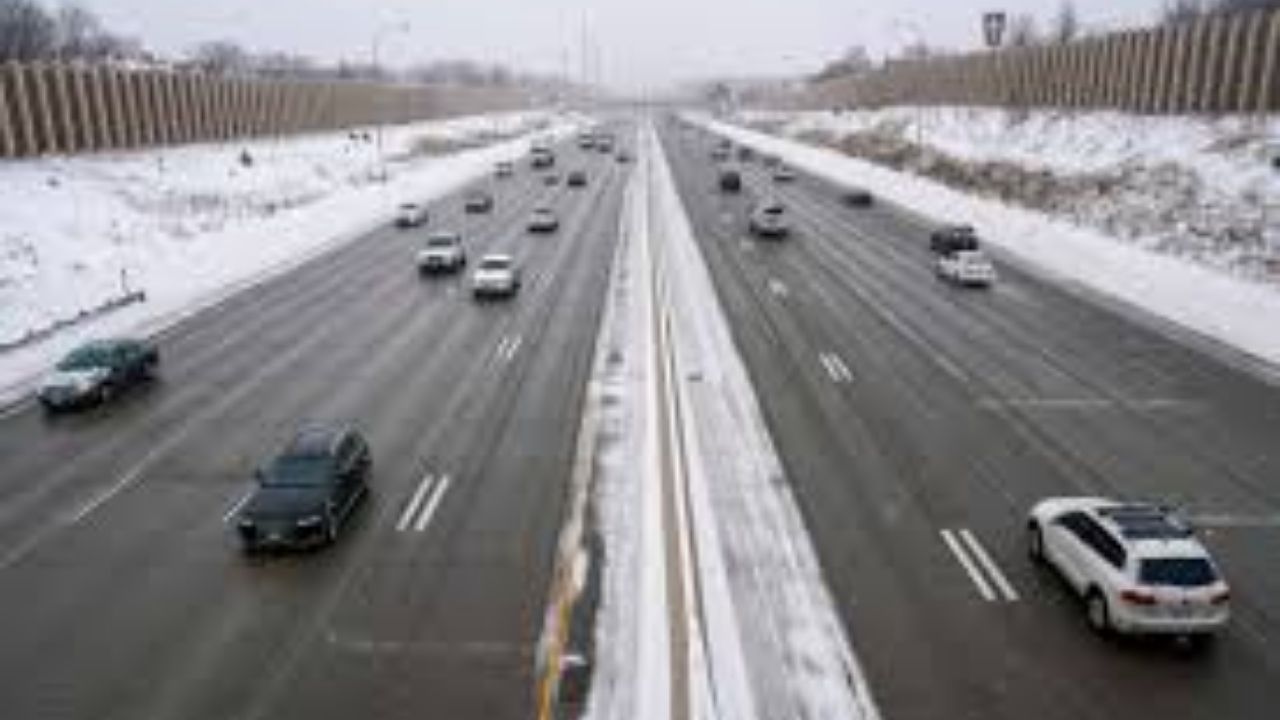

Medford, Oregon – Dangerous winter weather is impacting travel across southern Oregon early Monday as heavy snow bands move through the region, creating slick roads, reduced visibility, and rapidly changing driving conditions. Multiple winter weather advisories remain in effect as snowfall intensifies across mountain passes and key highways during the busy morning commute.
Officials warn that conditions may deteriorate quickly in some areas, particularly where snowfall rates increase in short bursts, catching drivers off guard.
Snow Levels Drop, Expanding Impact Areas
According to the National Weather Service, snow levels have dropped to around 4,000 feet, allowing accumulating snow to affect not only higher elevations but also parts of southern Oregon valleys and the Klamath Basin.
This drop in snow levels means routes that may have been rain-soaked overnight are now turning icy as temperatures fall and snow accumulates. Motorists traveling early Monday are encountering snow-covered pavement in areas that do not always see frequent winter conditions.
Heaviest Snow in the South Central Oregon Cascades
The South Central Oregon Cascades, including Diamond Lake and Crater Lake, are expected to see the most significant snowfall through late Monday afternoon.
Forecasts call for an additional 5 to 9 inches of snow, with wind gusts up to 35 mph producing blowing snow and whiteout-like conditions at times. These winds are reducing visibility dramatically, especially along exposed mountain roads and ridgelines.
Higher elevations above 4,500 feet may receive locally higher totals before snowfall begins to taper later in the day.
Klamath Basin Faces Short Bursts of Intense Snow
Farther east, winter weather advisories remain in effect for the Klamath Basin, including northern and eastern Klamath County and western Lake County, through midday Monday.
Communities such as Klamath Falls, Chemult, and Sprague River are forecast to receive 2 to 4 inches of snow, with the most hazardous travel conditions expected from early morning through mid-morning.
Forecasters warn that snowfall rates could briefly reach up to one inch per hour, a level capable of rapidly covering roads and significantly increasing the risk of accidents within minutes.
Siskiyou Mountains and I-5 Travel Concerns
The Siskiyou Mountains and southern Oregon Cascades are also seeing accumulating snow, particularly along major travel corridors.
Areas of concern include:
- I-5 near Siskiyou Summit
- Highway 140 near Lake of the Woods
- Portions of Highways 62, 97, 138, and 230
Snow totals of 3 to 5 inches are expected in these locations, with 6 to 9 inches possible at higher elevations before conditions improve closer to midday.
Transportation Officials Urge Caution
The Oregon Department of Transportation is urging drivers to avoid mountain travel if possible, slow down, and prepare for delays across southern Oregon highways.
Plow crews are actively working, but heavy snowfall rates and blowing snow may limit how quickly roads can be cleared. Even after snowfall eases, compact snow and ice may persist, especially on shaded stretches and mountain passes.
Drivers are advised to check road conditions before departing and remain alert for sudden changes in weather and visibility throughout the day.
Why Snowfall Rates Matter
While total snowfall amounts are important, snowfall rate often poses the greatest danger to drivers. When snow falls at one inch per hour, road conditions can worsen rapidly, overwhelming plows and reducing traction almost instantly.
These intense bursts are especially dangerous during commute hours when traffic volumes are higher and stopping distances increase on slick surfaces.
Safety Tips for Monday Travel
If travel is unavoidable, officials recommend:
- Reducing speed well below posted limits
- Increasing following distance
- Carrying chains or traction devices where required
- Allowing extra travel time
- Avoiding sudden braking or lane changes
Drivers should also be prepared for conditions to remain hazardous even after advisories expire later Monday, as lingering snow and ice can persist into the afternoon.
Outlook for Later Today
Winter weather advisories are expected to expire later Monday, but forecasters caution that slick roads and reduced visibility may linger even as snowfall tapers off. Conditions should gradually improve through the afternoon, though higher elevations may continue to see occasional snow showers.
Travelers are encouraged to stay informed, monitor local forecasts, and use caution throughout the day.
Share your experiences in the comments below.