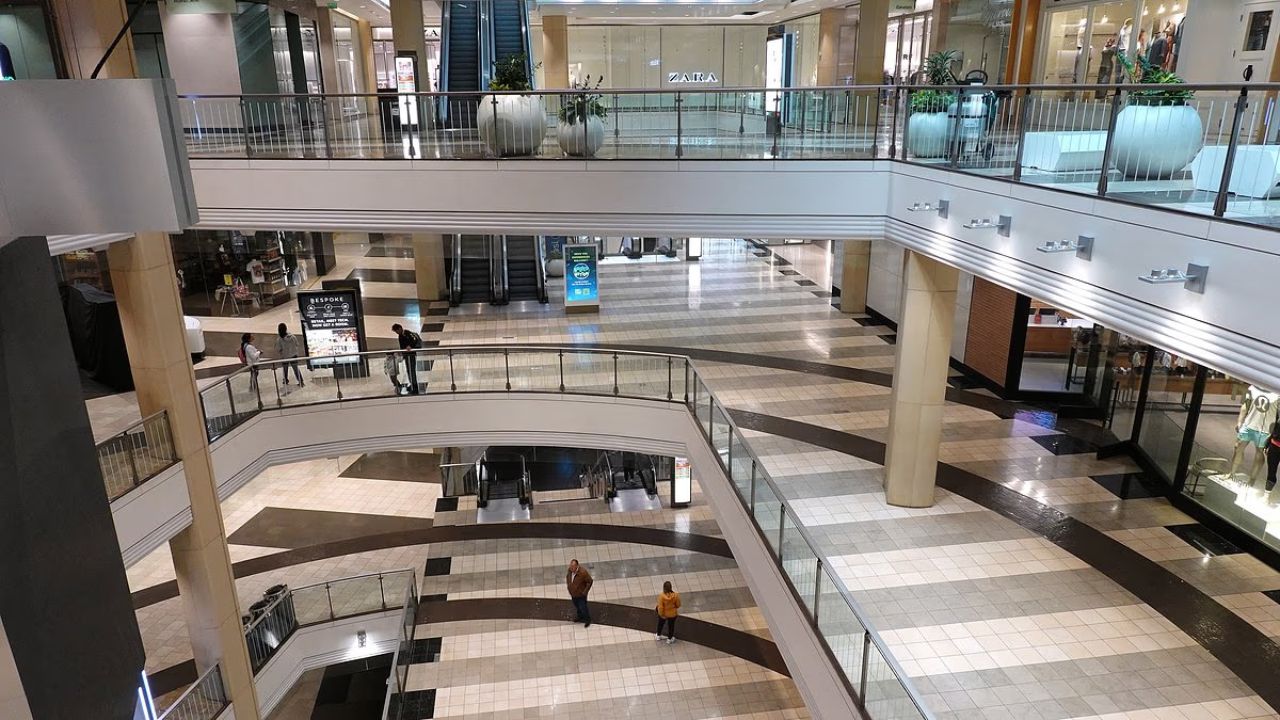
San Francisco, California – A once-iconic shopping destination near Union Square is preparing to shut its doors for good after years of declining foot traffic tied to a sharp rise in neighborhood crime. The San Francisco Center, formerly known as the Westfield Mall, is set to close permanently on Monday, January 26, marking the end of an era for one of the city’s largest retail hubs. The closure was first confirmed in reporting by The San Francisco Chronicle.
Closure Confirmed as Transit Entrance Sealed
An employee at the mall’s final remaining retail outlet confirmed the closure date, noting that the mall’s direct entrance to the Bay Area Rapid Transit system has already been closed off to the public.
Alicia Trost, chief communications officer for Bay Area Rapid Transit, said the decision was communicated directly by mall management.
“SF Centre’s General Manager advised BART they were going to close the entrance from the Powell Station concourse level to their mall,” Trost said.
“Depending on the property’s future use, any new ownership may wish to reopen the entrance.”
From Retail Landmark to Empty Corridors
Spanning roughly 1.5 million square feet, the San Francisco Center was once the city’s largest shopping mall, located just steps from Union Square. For decades, it served as a social and commercial gathering place for locals and tourists alike.
Former shoppers say its decline has been painful to watch.
“I get really sad thinking that nobody comes here anymore,” said Ashley Fumore in an interview with KRON4.
“My friends and I would always just come here and meet up.”
Another longtime visitor, Liz Ann Keys, echoed the sentiment, describing the closure as emotionally devastating after years of fond memories inside the mall.
Crime Spike Accelerated the Decline
While the mall’s struggles were compounded by the COVID-19 pandemic, crime trends in the surrounding area played a decisive role. According to an analysis published by San Francisco Standard, the city’s southern district — where the mall is located — saw a 92 percent year-over-year increase in reported crime, even as overall crime citywide declined.
Between January and August 2024, larceny-theft reports in the district nearly doubled, rising from 955 incidents to 1,876, according to San Francisco Police Department data cited in the report. During the same period, citywide crime fell by roughly 23 percent, largely driven by reductions outside the southern district.
The surge was attributed primarily to non-violent theft, a trend that significantly impacted retail confidence and customer safety perceptions.
Stores and Restaurants Quietly Exit
As crime increased, retailers began leaving in waves. The Chronicle reported that national restaurant chains such as Panda Express and Shake Shack were among the first to shut down locations inside the mall.
By late 2025, fewer than 20 businesses remained operational in a space originally designed to accommodate nearly 200 stores, leaving vast portions of the mall empty and shuttered.
Uncertain Future Despite Major Financial Backing
Although the mall’s doors are closing, the building itself may yet see a new chapter. Last year, ownership transferred to a group of financial institutions including Goldman Sachs and JPMorgan Chase, which collectively bid $134 million to take control of the property.
What comes next — redevelopment, repurposing, or long-term vacancy — remains unclear, but city officials and transit authorities say any future reopening of public access points would depend on new ownership plans.
For now, the San Francisco Center’s closure stands as a stark symbol of how crime, changing retail habits, and post-pandemic urban challenges have reshaped one of the city’s most recognizable commercial landmarks.