Caribou, ME – Northern Maine and large parts of Vermont are waking up to hazardous travel conditions this morning as rapidly falling temperatures refreeze wet pavement, creating scattered but dangerous patches of black ice on roads, highways, sidewalks and rural routes. The National Weather Service has cautioned residents to prepare for unusually slick surfaces before sunrise, especially in areas that received light precipitation on Friday.
Early-Morning Hazard: How Black Ice Formed Overnight
Weather officials say overnight temperatures dipped below freezing across Aroostook, Somerset, Piscataquis, and Penobscot counties in Maine, causing yesterday’s moisture to harden into nearly invisible ice. Communities such as Madawaska, Fort Kent, Caribou, Mars Hill, Millinocket, Baxter State Park, Houlton, and Sherman are among the regions most likely to experience slippery roadways.
The National Weather Service in Caribou noted that the combination of refreezing moisture and early-morning darkness increases the risk of motorists misjudging the road surface. A Special Weather Statement issued by NWS highlighted that the ice is especially concerning on untreated roads, bridges, and shaded stretches.
Conditions Mirror Across Northern Vermont
Farther south in Vermont, the National Weather Service in Burlington is reporting nearly identical conditions. Large sections of the state — including Grand Isle, Franklin, Orleans, Essex, Caledonia, Washington, and Orange counties — are under caution as roads glaze over from the overnight freeze. The risk extends as far south as parts of Addison, Rutland, and Windsor counties, where temperatures dropped rapidly after midnight.
Forecasters warn that the mix of lingering moisture and falling early-morning temperatures is creating patchy but widespread black ice, particularly on rural roads that remain shaded or less frequently treated.
Officials Describe the Danger of “Invisible Ice”
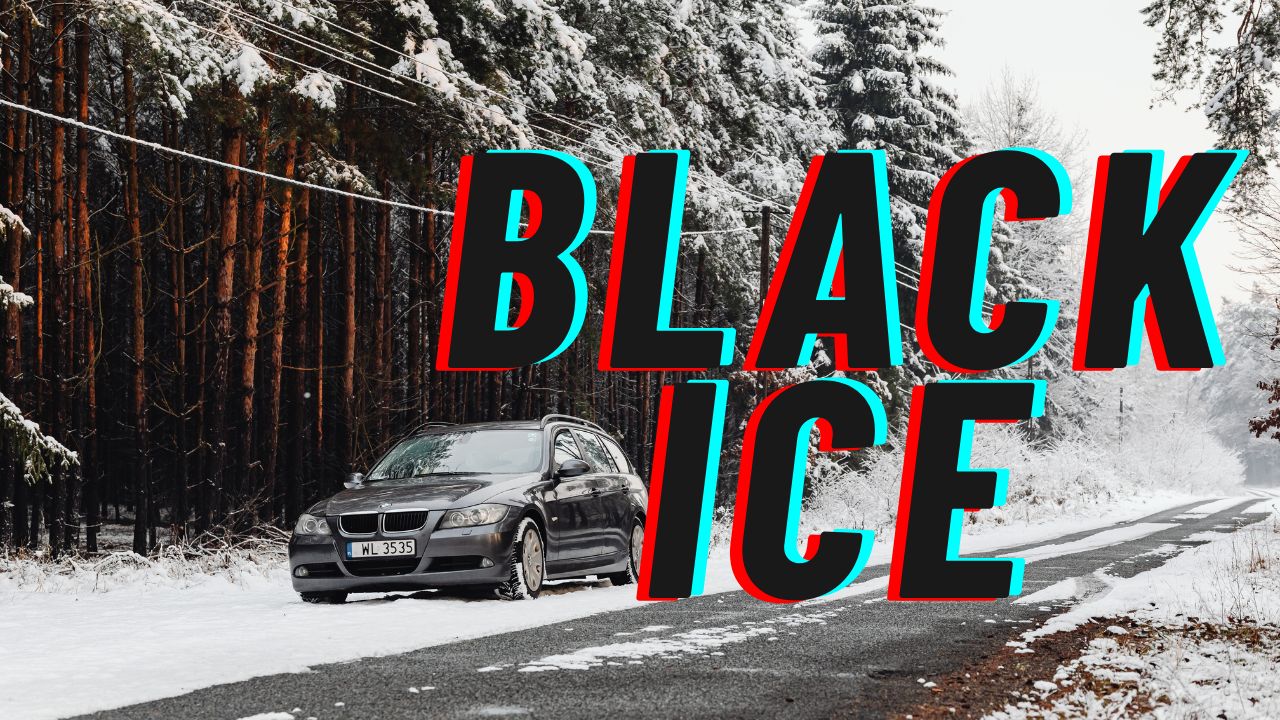
Black ice is notoriously deceptive, appearing more like a harmless wet sheen than frozen pavement. Officials stress that this low-visibility hazard is catching drivers off guard, especially on secondary roads and open stretches prone to overnight cooling.
“Black ice often develops without warning and can be very difficult to detect,” officials said in the National Weather Service advisory. “Motorists should slow down, avoid sudden braking, and allow extra distance between vehicles during the early commute.”
Pedestrians are also urged to take precautions on parking lots, sidewalks and driveways, where thin, transparent ice can easily lead to slips and falls.
Timeline of Expected Conditions
Meteorologists expect temperatures to remain below freezing through the early morning hours. As sunlight returns and daytime temperatures gradually rise after sunrise, most icy patches should diminish. However, shaded and elevated areas — including overpasses, bridges, forested routes and high-elevation roadways — may continue to hold onto lingering slick spots into late morning.
Drivers traveling through the affected areas are advised to plan extra time for their morning routes and monitor real-time updates from the National Weather Service.
Why Black Ice Forms So Quickly
Black ice forms when moisture on the surface freezes rapidly due to temperature drops, especially after sunset. In this case, Friday’s light moisture combined with clear skies and falling temperatures created the perfect setup for refreezing.
Because the ice is extremely thin and nearly transparent, it blends with the asphalt rather than appearing cloudy or snowy. This makes it especially dangerous during pre-dawn hours when visibility is low.
Safety Tips for Drivers This Morning
Residents in both Maine and Vermont can take several steps to reduce risk:
- Slow down on all untreated or unfamiliar roads
- Avoid hard braking; instead, gently pump brakes if you begin to skid
- Increase following distance, especially near intersections
- Use low-beam headlights to reduce glare and improve pavement visibility
- Keep both hands on the wheel and avoid sudden steering movements
- Walk slowly on sidewalks and parking lots, keeping your center of gravity low
These small precautions can significantly reduce the risk of accidents during a black ice event.
Regional Impact and Travel Concerns
Because both states contain large rural and forested regions, many roads remain shaded throughout the early morning. These cold pockets, combined with leftover moisture, mean black ice can reappear even when neighboring stretches are fully thawed.
Local officials also caution that early commuters heading to work, school, or weekend activities should remain alert, particularly near bridges, river valleys, wooded areas, and long downhill grades where temperatures stay colder longer.
Conclusion
As northern Maine and Vermont start the day under a layer of nearly invisible ice, motorists and pedestrians are being urged to take extra caution. With temperatures set to rise later in the morning, conditions will gradually improve, but slick surfaces may persist in isolated areas.
Have you experienced hazardous black ice conditions in your area? Share your experiences in the comments below.