
Indianapolis, Indiana – A tragic child abuse case that shocked Indiana has now reached its conclusion as a father who brutally beat his 6-year-old son to death has been handed a lengthy prison sentence. The ruling brings long-awaited accountability in a case that exposed months of hidden abuse, failed warnings, and disturbing attempts by the father to cover up what happened inside the home.
The Sentencing of Franklin Elmore Jr.
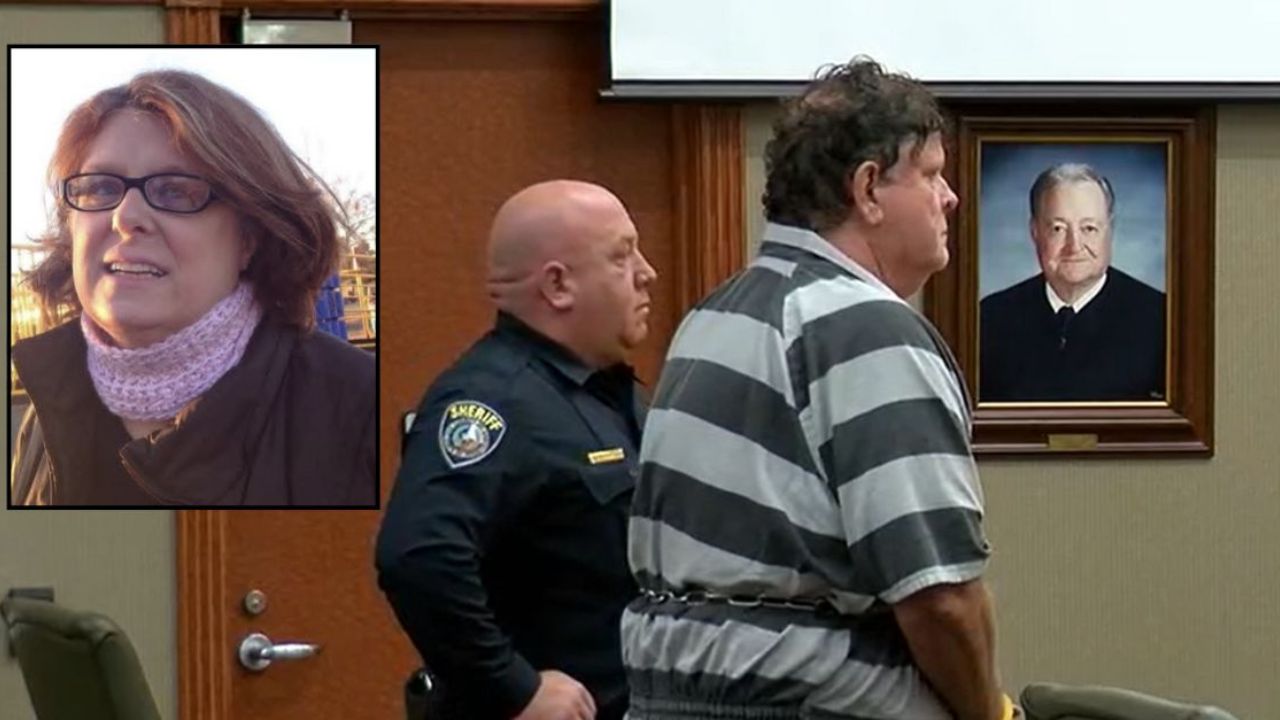
An Indiana judge sentenced 29-year-old Franklin Elmore Jr. to 65 years in prison after he pleaded guilty to murder in the death of his son, Justin. Elmore addressed the courtroom, asking for leniency and telling the judge he hoped to “come out a better man.”
But the judge rejected the request, responding bluntly:
“You literally beat your son to death.”
According to court documents, the sentence includes 55 years for murder plus an additional 10 years for aggravating factors.
What Happened the Night of the Crime
The fatal incident occurred on August 3, when Franklin and his wife, 27-year-old Cheyenne Elmore, called 911 claiming Justin was unresponsive after the child had “hit himself.” Justin was found with a traumatic brain bleed and a punctured lung—injuries medical staff immediately said were not self-inflicted.
Justin was rushed to the hospital but died shortly after. Police arrested both Franklin and Cheyenne on August 8 and charged them with murder.
A Pattern of Abuse Inside the Home
As the investigation unfolded, neighbors provided disturbing insights into what Justin endured in the months leading up to his death. Witnesses told police they repeatedly saw Justin subjected to harsh punishments, including being forced to:
- Jump rope for extended periods
- Hold heavy weights
- Run long distances
On the day Justin was taken to the hospital, prosecutors revealed he had been made to run 3.5 miles, a grueling punishment that took approximately 90 minutes, before his father beat him inside his playroom.
Detectives also uncovered photos on the Elmores’ phones showing Justin with multiple bruises and visible injuries—contradicting the couple’s claims that the child frequently “hit himself.”
Failed Warnings and Missed Signs
Justin’s biological mother, Miranda McBride, had tried repeatedly to alert Indiana authorities about her concerns regarding her son’s treatment. Living in another state, she said she attempted to report what she believed was escalating abuse.
However, she was allegedly told that without visible bruises, nothing could be done. Investigators later recovered numerous images of injuries from the Elmores’ phones—photos that were never reported to authorities during earlier welfare checks.
After the sentencing, McBride shared her reaction in a statement:
“I’m satisfied with it. It’s better than what I thought he would get. I wish he’d have more… death row would be great. But most likely by the time he gets out, he’ll probably be dead anyway.”
The Stepmother’s Role and Upcoming Sentencing
Cheyenne Elmore, who initially pleaded not guilty, changed her plea to guilty on November 6. She reportedly participated in administering punishments and failed to intervene during the fatal attack.
Her sentencing is scheduled for January 13, 2026, where prosecutors are expected to seek a significant prison term given the severity of the case and her role in the abuse.
Recognizing and Reporting Child Abuse
Justin’s death highlights the critical importance of recognizing early signs of child abuse—behavioral changes, unexplained injuries, fearfulness, or excessive punishments. Experts stress that repeated warnings from concerned family members must never be dismissed, especially in cases involving young children.
Child safety advocates emphasize that community members, teachers, and neighbors can play vital roles in noticing red flags. When something feels wrong, reporting concerns may save a life.
Conclusion
The sentence handed down to Franklin Elmore Jr. brings some measure of justice for Justin, a little boy whose suffering went unnoticed for too long. With his stepmother’s sentencing still ahead, the case continues to raise important questions about child protection and the systems designed to keep children safe.
What are your thoughts on this case? Share your experiences in the comments below.