
San Francisco, California — A man who fled the United States and was later extradited from Honduras has been sentenced to federal prison for his role in a major fentanyl trafficking operation tied to stash houses in Berkeley and Oakland, according to court records.
Five-Year Federal Sentence Handed Down
Gustavo Erazo, a former East Bay resident, was sentenced earlier this month to five years in federal prison by Charles Breyer, a senior U.S. District Judge in San Francisco. The sentencing follows Erazo’s 2023 indictment in connection with a fentanyl distribution ring that federal authorities dismantled through a series of raids in 2022.
Large Quantities of Fentanyl Recovered
Federal prosecutors said the investigation uncovered significant quantities of fentanyl across multiple locations in the East Bay.
At a Berkeley stash house, agents recovered approximately 15 pounds of fentanyl, while an additional one-and-a-half pounds were seized from Erazo’s residence in Oakland. Authorities also confiscated more than $50,086 in cash, most of which was found in the possession of one of Erazo’s co-defendants.
Prosecutors emphasized that the amount of fentanyl recovered represented a serious public safety threat, given the drug’s potency and its role in the ongoing overdose crisis.
Extradition From Honduras Highlighted by DOJ
Erazo’s case drew national attention last year after U.S. Department of Justice announced that he had been extradited from Honduras to face charges in the Bay Area. Court records show that Erazo fled the United States following the federal raids but was later located and returned through international cooperation.
Co-Defendants Already Sentenced
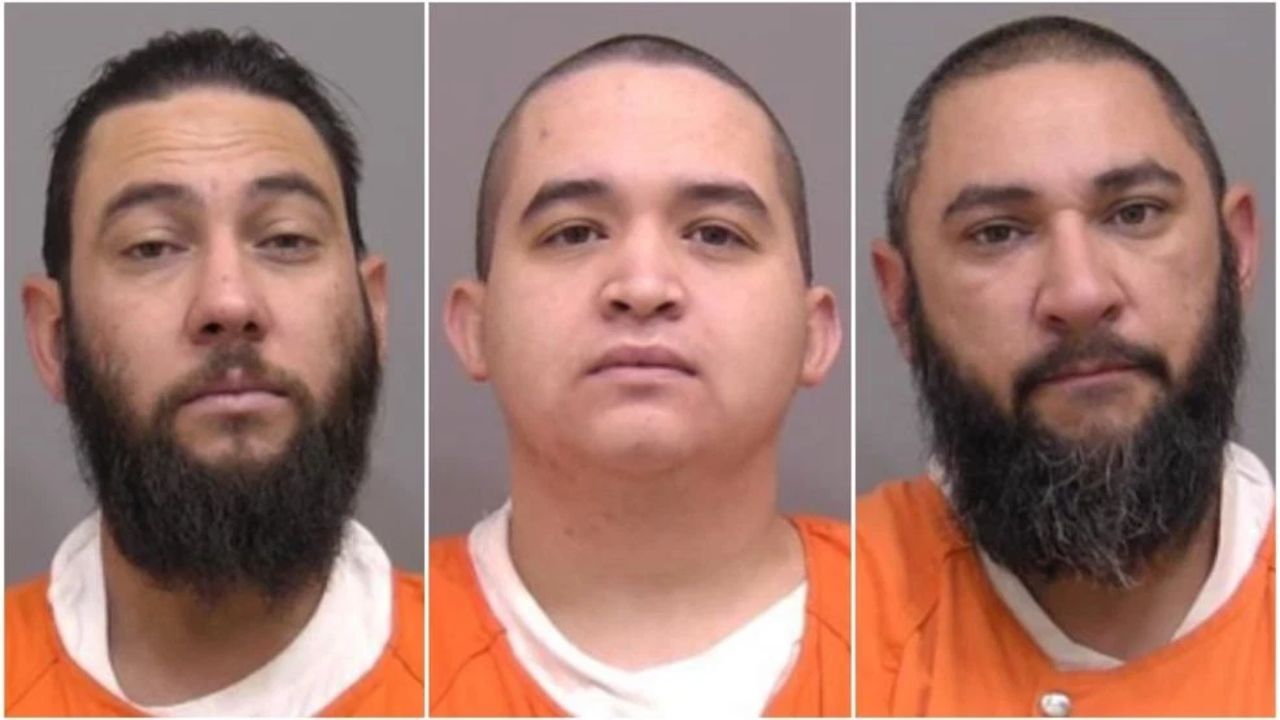
Erazo was indicted alongside Melvin Diaz-Arteaga and Luis Erazo-Centeno, both of whom have already received federal prison sentences. Diaz-Arteaga was sentenced to 78 months, while Erazo-Centeno received 56 months, according to court filings.
Defense Cites Poverty and Trauma
In sentencing memoranda, Erazo’s attorney urged the court to consider his difficult upbringing and personal history when determining punishment. Defense filings stated that Erazo was born in Honduras and raised in extreme poverty, along with five siblings. He reportedly began working at age 10 and experienced periods of hunger as a child.
Court documents also note that Erazo lost a brother to gun violence when he was just 12 years old, a trauma his attorney argued shaped many of his later life decisions.
Journey to the United States and Drug Sales
According to court records, Erazo first came to the United States in 2000, spending time in Georgia before briefly returning to Honduras to be with family. He later relocated to San Francisco, where prosecutors say he began selling fentanyl in the city’s Tenderloin neighborhood, an area long plagued by open-air drug markets.
In statements to his probation officer included in the defense sentencing memo, Erazo described his actions as driven by survival rather than intent to cause harm.
“When you do things that you know aren’t right, it’s not because you want to do something bad, but it’s just necessity,” Erazo said. “I didn’t have a place to live. I wish I had been able to do something else for money.”
Ongoing Impact of Fentanyl Enforcement
Federal authorities continue to prioritize dismantling fentanyl distribution networks across Northern California, citing the drug’s role in thousands of overdose deaths statewide each year. Officials say stash house investigations remain a key strategy in disrupting large-scale supply chains feeding street-level sales.
Conclusion
With Erazo’s sentencing now complete, all defendants tied to the Berkeley and Oakland fentanyl stash houses have received federal prison terms. The case underscores both the scale of fentanyl trafficking in the Bay Area and the reach of U.S. law enforcement in pursuing suspects who flee abroad.
Share your experiences or thoughts on fentanyl enforcement and public safety in your community in the comments below.