Los Angeles, California — A federal judge has dismissed criminal charges against a TikTok creator who was shot by a federal agent during a law enforcement operation in South Los Angeles, citing serious constitutional concerns and repeated failures by prosecutors to meet court-ordered deadlines.
In a 28-page order filed Saturday, Fernando M. Olguin, a U.S. District Judge, ruled that the government’s handling of the case against Carlitos Richard Parias, known online as Richard LA, violated his constitutional rights while in custody.
Judge Cites Constitutional Violations
Judge Olguin dismissed the indictment after finding that Parias was denied timely access to legal counsel and that prosecutors failed to comply with multiple court deadlines, including the delayed release of body-camera footage from the shooting.
“In short, the government’s failure to coordinate the overlapping actions of its separate agencies while relentlessly pursuing Mr. Parias’s criminal proceedings created a situation from which constitutional violations could – and did – occur,” Olguin wrote in the ruling.
The decision effectively halts the federal criminal case against Parias, though immigration proceedings remain ongoing.
What Happened During the October Incident
The case stems from an October confrontation during what the Department of Homeland Security described as a “targeted enforcement traffic stop” in South Los Angeles.
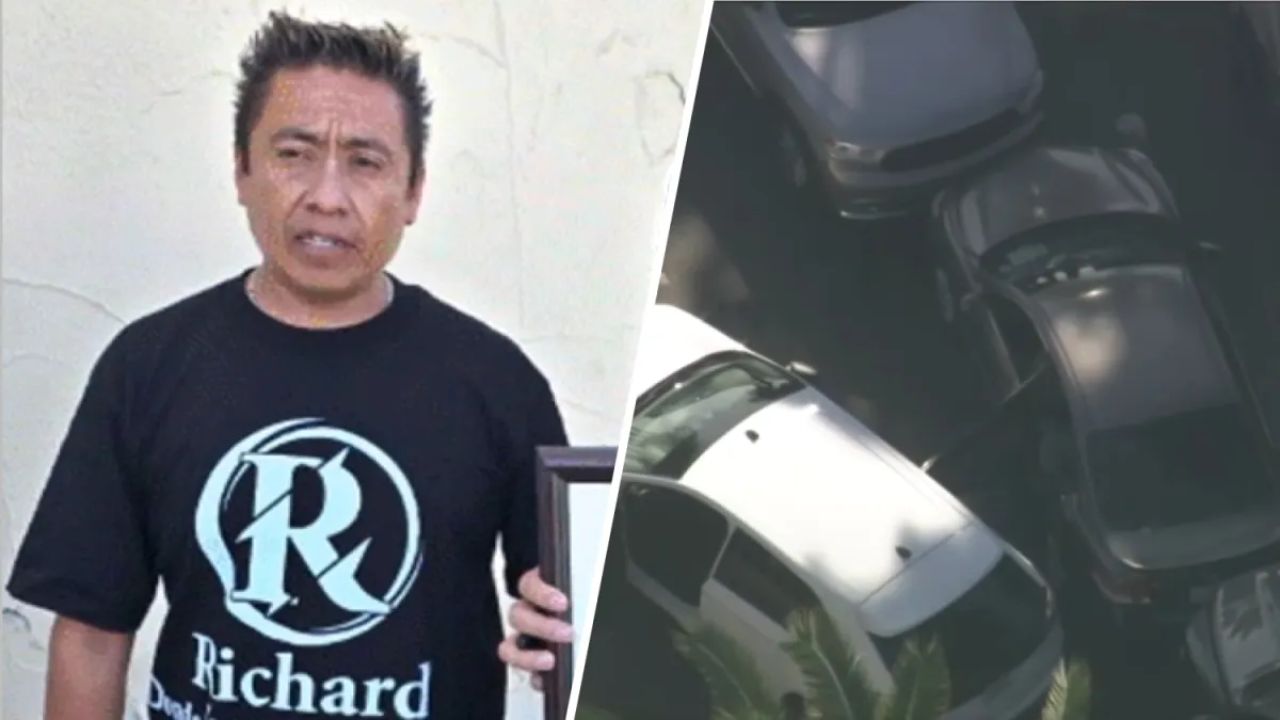
Federal agents alleged that Parias drove his vehicle back and forth, striking law enforcement vehicles that had boxed him in, as officers attempted to arrest him on immigration-related grounds. Authorities said Parias was attempting to evade arrest at the time.
During the encounter, a federal agent fired a weapon, striking Parias in the elbow. A ricochet from the same shot hit a deputy U.S. Marshal in the head, officials said. Both survived the incident.
DHS Defends Use of Force
DHS Assistant Secretary Tricia McLaughlin defended the actions of federal officers in a statement following the shooting.
According to McLaughlin, Parias had previously escaped from custody and again attempted to flee during the traffic stop. She said officers feared for public safety after alleging that Parias “weaponized his vehicle” by ramming law enforcement cars.
“Fearing for the safety of the public and law enforcement, our officers followed their training and fired defensive shots,” McLaughlin said.
The department also stated that Parias was in the United States illegally, though officials did not immediately release details regarding his entry into the country.
Prosecutors Push Back Against Ruling
The U.S. Attorney’s Office strongly disagreed with Judge Olguin’s decision and indicated it is considering an appeal.
“We strongly disagree with the court’s version of the facts as well as its legal conclusions,” the office said in a statement released Monday. “We are reviewing the court’s decision and will determine our options for an appeal.”
Prosecutors noted that a federal grand jury had previously indicted Parias on two felony charges: assault on a federal officer using a deadly or dangerous weapon and depredation of government property causing damage exceeding $1,000.
They also emphasized that, despite the dismissal of the indictment, Parias remains in the custody of immigration authorities.
“No matter what happens with his criminal case now or on appeal, rest assured that Mr. Parias’s days of openly flouting our nation’s immigration laws are over,” the statement said.
Immigration Custody Continues
Although the criminal indictment has been dismissed, federal officials confirmed that Parias is still being held by immigration authorities. Prosecutors said he was taken directly into immigration custody after being released on bond in the criminal case due to what they described as flight risk and public safety concerns.
The ruling does not prevent Immigration and Customs Enforcement from continuing separate civil immigration proceedings.
Ongoing Questions and Reactions
Attorneys representing Parias had not immediately commented on the judge’s decision. Requests for comment were also sent to the U.S. Marshals Service regarding the shooting and the court’s findings.
The case has drawn significant attention due to Parias’s social media presence and the serious injuries sustained by both him and a federal marshal during the incident.
Conclusion
The dismissal marks a major setback for federal prosecutors but leaves unresolved questions about the use of force, inter-agency coordination, and due process protections during immigration enforcement actions. As appeals and immigration proceedings continue, the case remains closely watched in Los Angeles and beyond.
Share your thoughts or experiences related to law enforcement encounters and legal rights in the comments below.