Barranquilla, Colombia – Authorities have announced one of the region’s largest recent maritime drug interceptions, confirming that more than 7.1 tons of cocaine were seized in two coordinated Caribbean operations. The Colombian Navy reported that 11 suspects were arrested unharmed, even as the United States continues carrying out lethal strikes against vessels it alleges are transporting narcotics.
The discovery adds a new chapter to the ongoing tension between Colombian leadership and U.S. military strategy in maritime drug enforcement, particularly following several deadly American strikes that have drawn international scrutiny.
What Colombian Authorities Found in the Caribbean
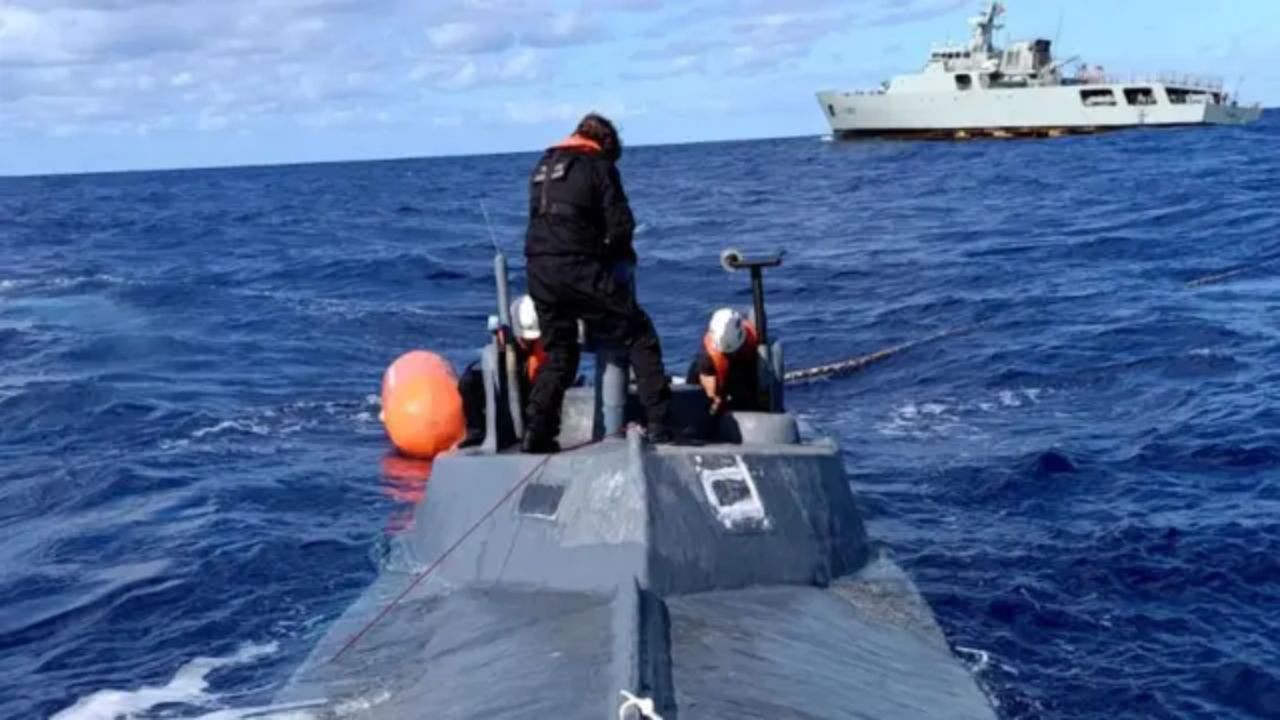
According to a statement shared on Wednesday, the Colombian Navy intercepted two vessels carrying massive quantities of cocaine in separate operations:
- One interdiction occurred 90 nautical miles off Barranquilla, on the nation’s northern coast.
- The second was conducted approximately 70 miles south, in the Gulf of Morrosquillo.
Officials confirmed the combined haul totaled 7.1 tons, with an estimated international market value of more than $340 million.
The navy reported that the 11 detained individuals—including eight Colombians, two Venezuelans, and one Jamaican—were taken into custody “without affecting their integrity or their lives.”
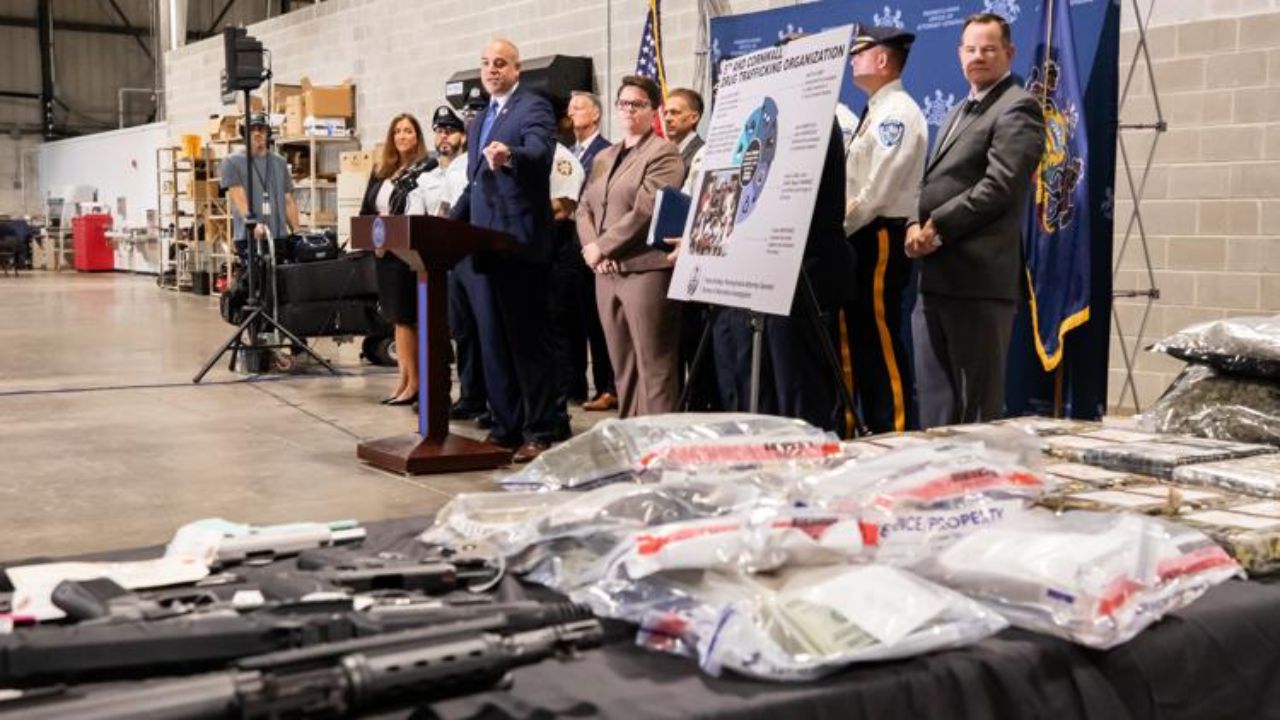
Images released by authorities show seized cocaine bricks laid out beside officers and the detained suspects, along with photos of the intercepted vessels.
Arrest Made Without Force as U.S. Conducts Deadly Maritime Strikes
The timing of the seizure is notable. It comes as Colombian President Gustavo Petro continues to urge the United States to stop carrying out deadly strikes on suspected drug-trafficking boats in the region. Petro has repeatedly argued that the U.S. actions violate international law and, in some cases, have killed innocent civilians.
Meanwhile, U.S. officials announced another strike on Thursday in the Pacific Ocean that reportedly killed four people.
Since September, the U.S. military has launched at least 22 strikes on vessels in the Eastern Pacific and Caribbean, according to the Trump administration’s public statements. Officials claim—without providing additional evidence—that these vessels were carrying narcotics. The cumulative death toll from these strikes has reached at least 87 people.
These operations have become a subject of intense debate across North and South America.
Pentagon Under Pressure After Deadly Caribbean Strike
Questions around the U.S. strategy intensified after a Washington Post investigation revealed details surrounding a Sept. 2 strike that killed 11 people on a boat in the Caribbean.
The Pentagon has acknowledged that the boat was hit by two missiles. A source familiar with the incident said the second strike occurred as two survivors from the first explosion attempted to climb back aboard the vessel—allegedly trying to recover drugs.
Some U.S. lawmakers have asked whether the second missile constitutes a potential war crime, sparking an ongoing review and widespread discussion among legal and human rights experts.
Colombia and the U.S.: Tension Over How to Fight Drug Trafficking
President Petro has been sharply critical of the lethal strikes, arguing that Colombia was not consulted and that the approach risks killing civilians while escalating regional instability.
In contrast, the White House has defended the strikes, insisting they are a legal and necessary part of President Trump’s intensified campaign against drug-trafficking organizations.
Petro reiterated in an earlier interview that some of those killed were civilians, further fueling calls for a reassessment of the U.S. strategy.
Human Rights Complaint Filed After Civilian Death
Momentum in the debate grew this week when the family of a Colombian man killed in a U.S. strike filed a formal complaint against the United States with a human rights watchdog. The complaint alleges the death amounted to an extrajudicial killing and calls for international accountability.
As investigations continue, Colombia’s latest successful maritime seizure underscores its own efforts to combat drug trafficking—efforts based on interdiction, arrest, and judicial prosecution rather than lethal force.
Key Details from the Colombian Navy
- Drugs seized: 7.1 tons of cocaine
- Estimated value: Over $340 million
- Arrests: 11 suspects, all unharmed
- Locations: Off the coast of Barranquilla and the Gulf of Morrosquillo
- Nationalities: Colombians, Venezuelans, Jamaican
What Happens Next
Colombia is expected to continue presenting its operations as evidence that lethal force is not required to halt drug shipments. Meanwhile, scrutiny of U.S. military actions in the region is likely to intensify as investigations and human rights complaints move forward.
If you live in the Caribbean region or follow maritime security developments, share your thoughts or experiences in the comments below.