
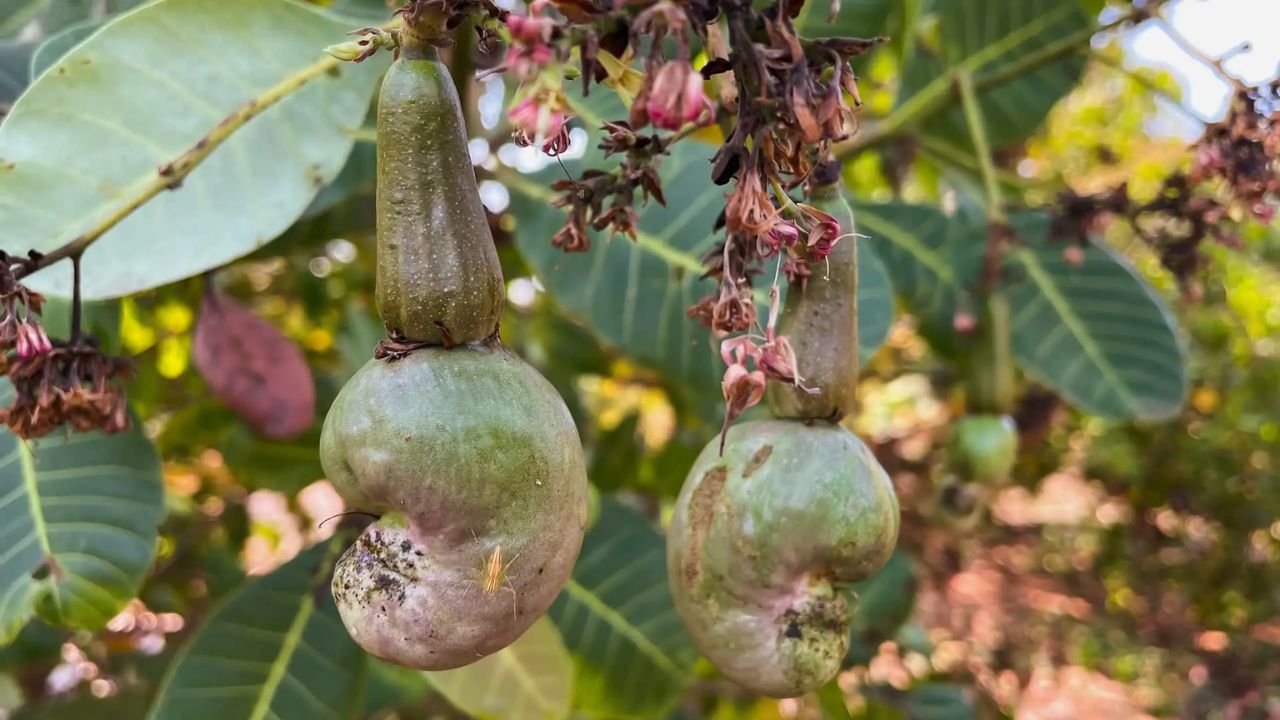
Although cashew nuts are one of the key crops grown along India’s west coast, farmers in the coastal town of Mangaluru are facing mounting challenges as yields continue to decline. Reporting by Daijiworld highlights that while the state of Karnataka consumes nearly 500,000 tonnes of cashews each year, it produces only about 50,000 tonnes locally, forcing heavy dependence on imports.
Karnataka Produces Only a Fraction of Its Cashew Demand
Cashew cultivation has long been an important source of income for farmers in coastal Karnataka. However, erratic weather patterns and limited market support have sharply reduced output in recent years. According to the report, low and unpredictable yields have pushed many growers to abandon cashew farming altogether.
As a result, Karnataka now imports nearly 90% of its cashew requirement, despite having suitable climatic conditions and a long history of cultivation. Agricultural experts say that if productivity from local cashew plantations were improved, the state could significantly cut down on imports and strengthen farmer incomes.
Erratic Weather and Market Gaps Hit Farmers Hard
Farmers in and around Mangaluru cite unpredictable rainfall, prolonged dry spells, and rising temperatures as major factors behind declining yields. These environmental pressures are compounded by insufficient price support and weak procurement mechanisms, making cashew farming financially risky.
With costs rising and returns falling, many growers have shifted to other crops or left agriculture altogether, reducing local production even further.
Low Cashew Yields Reflect a Global Farming Crisis
The situation in Karnataka mirrors a broader global trend affecting agriculture worldwide. From sharply reduced chestnut harvests in southern Europe to seed shortages faced by farmers across continents, climate change is increasingly disrupting food systems.
Climate data shows that 2025 is on track to become one of the hottest years on record, according to the World Meteorological Organization. Frequent heatwaves and extreme temperatures threaten crop viability, farmer livelihoods, and long-term food security.
When crop yields fall, the impact often reaches consumers as well. Reduced supply can lead to shortages and sharp price increases, making everyday groceries harder to afford.
Environmental Impact Extends Beyond Agriculture
Low cashew production does not affect humans alone. In forested areas, wildlife such as monkeys rely on cashews as part of their natural diet. A decline in availability can make survival harder for these animals, triggering ripple effects across local ecosystems and biodiversity.
Experts warn that sustained drops in crop yields can upset delicate ecological balances, especially in regions where agriculture and wildlife habitats overlap closely.
Efforts Underway to Improve Cashew Productivity
To address the crisis, the Cashew Research Centre is working with farmers to distribute higher-yielding cashew varieties and improve pest resistance. Researchers are also focusing on better farming practices that can help crops withstand changing climate conditions.
In addition to nuts, cashew trees produce edible cashew apples, a fruit that remains underutilized in many parts of India. Experts say that increasing local demand for cashew apples could create additional income streams for farmers and reduce the state’s dependence on imported cashew products.
Broader Implications for Food Security
Agricultural analysts note that Karnataka’s cashew situation underscores the urgent need for climate-resilient farming strategies. Without targeted investment in research, farmer support, and local markets, states rich in agricultural potential may continue to rely heavily on imports.
As climate pressures intensify, strengthening local food production systems is increasingly seen as essential not just for farmers, but for consumers and ecosystems alike.