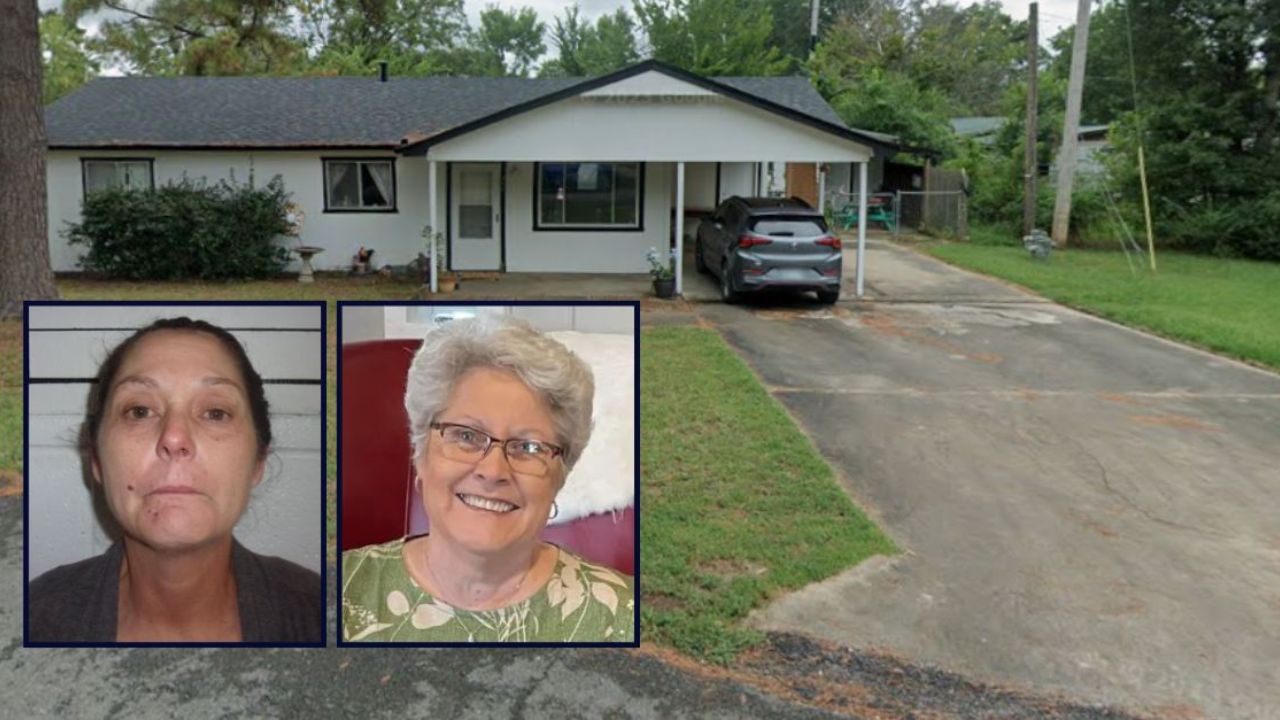

Santa Cruz, California – A California cannabis worker has been convicted of murdering multimillionaire CEO Tushar Atre, a man prosecutors say subjected his employees to humiliation, intimidation, and extreme working conditions. The killing occurred at the very same cannabis site where the alleged abuse happened, creating a chilling connection between the workplace tensions and the fatal attack. The case has drawn widespread attention due to explosive testimony detailing toxic behavior, withheld paychecks, and forced physical punishments.
Incident Overview
According to prosecutors, 25-year-old Kaleb Charters, a former U.S. Army National Guard member, was found guilty on all charges, including first-degree murder, kidnapping, and burglary in connection with the 2019 slaying of CEO Tushar Atre. The brutal attack also involved Charters’ brother Kurtis Charters, brother-in-law Stephen Lindsay, and a fourth alleged accomplice, Joshua Camps, whose trial is still pending.
The violent murder unfolded after months of what employees described as an increasingly abusive and hostile workplace environment at Atre’s Santa Cruz cannabis operations.
Timeline of Events
In testimony delivered during the trial, Kaleb Charters described a pivotal incident where Atre demanded he and Lindsay perform 500 pushups after losing the keys to a farm vehicle known as the “Monster Truck.”
“You guys are in the Army. Do 500 pushups,”
Charters recalled Atre telling them.
This confrontation occurred just two months before Atre was kidnapped, robbed, stabbed, and fatally shot, according to prosecutors. Charters and Lindsay claimed they were working 10 days straight from dawn until dusk planting cannabis for $200 a day, only to be threatened with canceled paychecks.
With tensions rising, prosecutors said the group eventually planned a robbery targeting $1 million believed to be at Atre’s home. But when Atre attempted to escape, the situation turned deadly.
Details From Prosecutors and Officials
Santa Cruz Assistant District Attorney Michael McKinney described the chilling sequence in court, stating the men attacked Atre after he fled from his home during the robbery.
“Camps … started stabbing him over, and over, and over,”
McKinney told jurors, alongside crime scene photos showing blood smeared inside an SUV.
After tackling Atre in the street, the group allegedly zip-tied him, gagged him with a sock, and forced him into a vehicle. He was driven to a remote cannabis site tied to his company — the same workplace where the alleged abuse had taken place.
“It’s fitting where they chose to take him to,”
McKinney said, referring to the property where Atre was ultimately killed.
Toxic Workplace Allegations
Multiple employees later came forward, accusing Atre of fostering a workplace full of fear, aggression, and retaliation. According to testimony, Atre allegedly yelled at staff, withheld or bounced paychecks, and fired people if he felt disrespected.
Santa Cruz County Sheriff’s Detective Ethan Rumrill testified that Charters and Lindsay were repeatedly “humiliated in front of people.”
Another worker, Sam Borghese, described Atre as a demanding boss who pushed employees beyond reasonable limits.
“Did Mr. Atre invoke fear in his employees so people would work harder for him?”
Brewer, Charters’ attorney, asked.
“Yes,” Borghese replied.
These accounts reinforced the defense’s argument that Atre’s extreme behavior created a breaking point among workers.
Confession Details From the Crime Scene
A video confession from Joshua Camps — who is still awaiting trial — was played in court. Camps allegedly admitted to stabbing and later shooting Atre with an AR-15 rifle.
“We zip-tied his hands, shoved a sock in his mouth… He was covered in blood,”
Camps said in the recording.
Prosecutors said Atre was stabbed in the neck after attempting to escape again. He was then shot multiple times in the jaw and back of the head.
“He wasn’t going to last much longer… I knew he was going to die,”
Camps reportedly told police.
Additional Context
The case has renewed attention on the darker side of California’s cannabis industry, which has seen rapid expansion but also reports of underpayment, worker exploitation, and unsafe labor conditions. Legal experts say the Atre case highlights the importance of stronger oversight, worker protections, and accountability measures across licensed marijuana operations.
Employees who testified expressed fear of losing their jobs, not being paid, or facing retaliation — issues that labor advocates say remain common in cash-heavy agricultural sectors.
Current Status of All Accused
- Kaleb Charters – Convicted on all counts, awaiting sentencing
- Stephen Lindsay – Convicted of first-degree murder, sentenced to life without parole
- Kurtis Charters – Convicted of first-degree murder, sentenced to life without parole
- Joshua Camps – In custody, charged with kidnapping, robbery, burglary, carjacking, and murder
Conclusion
The conviction of Kaleb Charters brings a significant chapter of the Tushar Atre murder case to a close, but lingering questions remain about what workplace conditions may have contributed to the deadly escalation. The case underscores the importance of safe, fair, and respectful treatment of workers across all industries.
Share your experiences in the comments below.