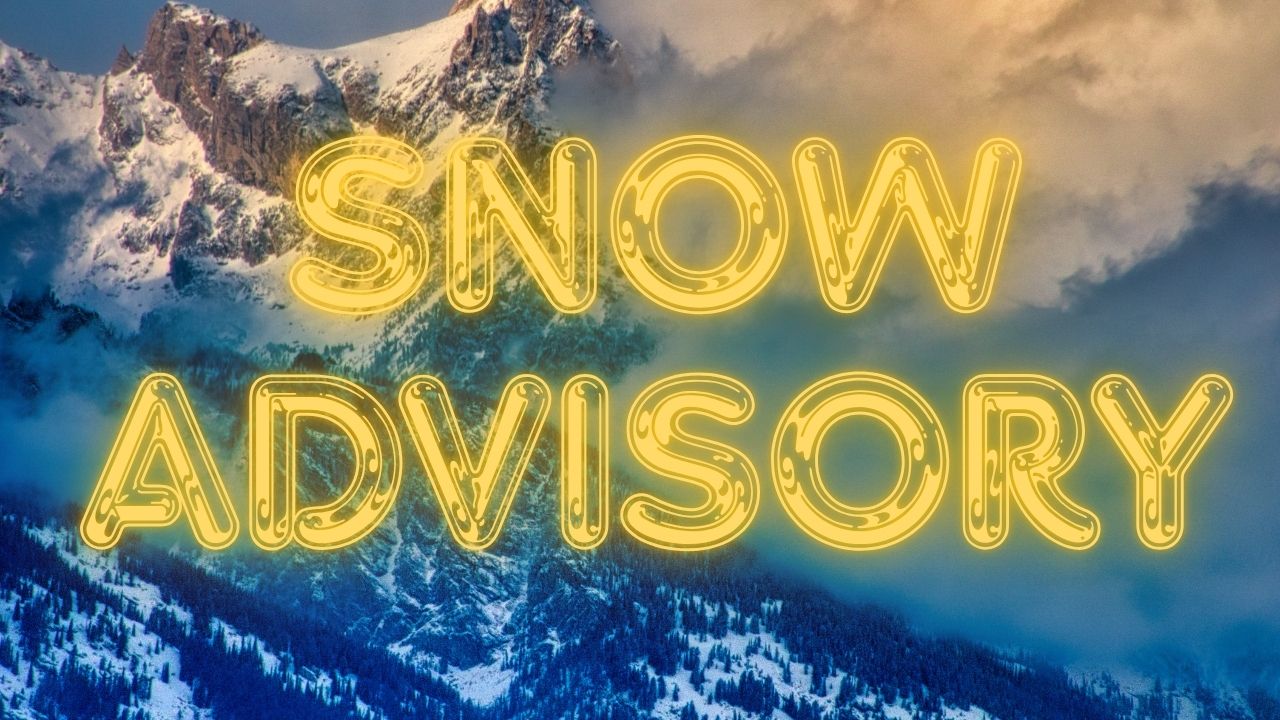
Hilo, HI – A Winter Weather Advisory is in place for the Big Island summits from Monday evening through Tuesday evening as moisture from an upper-level system spreads over Hawai‘i. The National Weather Service Honolulu reports that the highest elevations could see up to 4 inches of snow, along with periods of mixed precipitation and rapidly changing visibility.
The advisory covers both Mauna Kea and Mauna Loa, where temperatures will remain cold enough to support on-and-off snow showers through Tuesday. Forecasters note that precipitation may shift between snow and rain, increasing the risk of slippery surfaces on summit roads.
Weather System Bringing Moisture to Hawai‘i’s Highest Peaks
According to details shared by NWS Honolulu, an upper-level low positioned southwest of the islands is drawing deepening moisture toward the Big Island. This pattern will continue to support intermittent snow at summit elevations, though snowfall rates are expected to remain light.
Drivers, observatory teams, and maintenance crews may experience reduced visibility, icy patches, and sudden changes in road conditions.
Travel Hazards Expected on Mauna Kea and Mauna Loa
The combination of freezing temperatures, mixed precipitation, and gusty winds can create hazardous travel for anyone attempting to reach the higher elevations.
Summit access roads on Mauna Kea are often restricted or closed during winter weather, and similar closures may occur overnight depending on conditions.
Key risks include:
- Slippery or icy pavement on steep summit access routes
- Sudden reductions in visibility during passing snow showers
NWS Honolulu advises all travelers to slow down, use caution, and remain prepared for conditions that may change quickly.
Impact to Observatory Staff and Summit Operations
Snow events on the Big Island can affect astronomers and observatory personnel, who rely on clear, safe access to conduct nightly operations. Closures or delays may occur if visibility drops or surfaces freeze. Visitors attempting to reach the summit should check for updated travel restrictions before heading uphill.
A spokesperson for the weather service highlighted the variability of conditions:
“Light snowfall can still create slick, hazardous roads, especially when mixed with freezing rain and shifting visibility.”
Snow Expected to Ease by Tuesday Afternoon
Forecasters expect snow showers to taper later Tuesday as the upper-level low weakens and drier air begins moving into the region. Even as conditions improve, lingering icy patches may continue to affect early-day travel.
Residents and visitors planning summit trips should stay tuned to updated forecasts and verify the latest status from summit officials before traveling to high elevations.
Share your experiences in the comments below.