Salt Lake County, Utah – A Utah father accused of putting his three young children through a life-threatening mountain ordeal is now asking a judge to block cameras and livestreams from his courtroom hearings, arguing that public images of the case could harm the children involved.
Father seeks to limit publicity in high-profile child abuse case
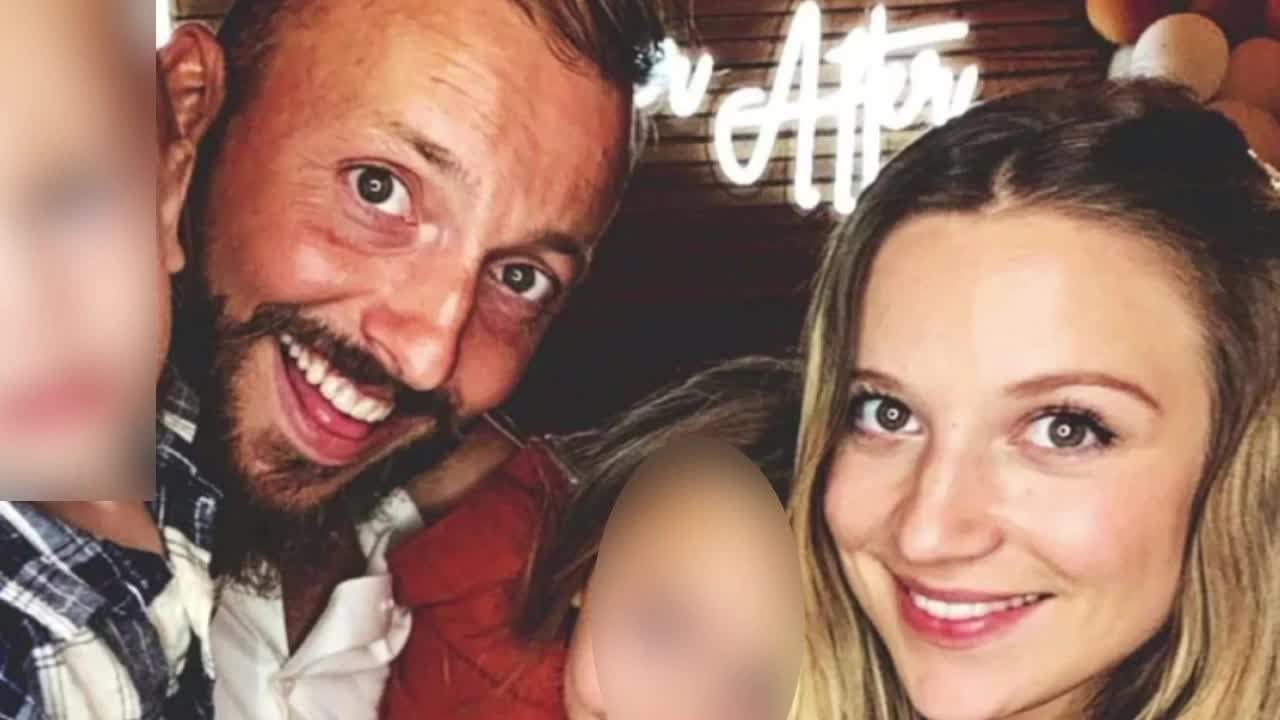
Micah Smith, 31, faces three felony counts of child torture and three counts of aggravated child abuse, charges that could carry a life sentence if he is convicted. The case, brought by the Salt Lake County District Attorney’s Office, has drawn national attention since details of the incident emerged.
Last week, Smith’s defense filed a motion asking the court to prohibit still photography, video recording, and livestreaming inside the courtroom. The request does not seek to close the proceedings to journalists or the public.
Defense argues images could harm the children
According to the motion, first reported by the Salt Lake Tribune, Smith’s attorney argued that images of their father in jail clothing or restraints could negatively affect the emotional well-being of the children.
The filing states that exposure to photos or videos of the proceedings is “unnecessary for the minor children” and that even limited media coverage could be “directly adverse to their interests and well-being.” The defense also warned that once footage is published online, it could remain accessible for years, increasing the likelihood the children could encounter it later in life.
Under Utah law, cameras and livestreams have generally been allowed in courtrooms since 2013, subject to judicial approval. As of now, prosecutors have not formally responded to the defense request.
What prosecutors say happened on the mountain
The charges stem from an incident in early October at Big Cottonwood Canyon, a steep canyon about 12 miles southeast of Salt Lake City in the Wasatch Mountain Range.
Prosecutors allege Smith took his children, then ages 2, 4, and 8, on the Broads Fork Trail, a route rated “hard” by the hiking community and listed as such on AllTrails. According to court documents, Smith continued climbing despite worsening weather and repeated warnings.
“What seemed like an innocent hike with his three children quickly turned into a nightmare when the defendant chose to summit a mountain over the safety of the kids,” prosecutors wrote in the charging document.
Ignored warnings and pleas to turn back
Investigators say Smith refused to turn around even after the children’s mother texted him urging him to bring the kids home. His eldest daughter also repeatedly told him she was scared and wanted to leave.
Near the top of the mountain, as clouds gathered, the girl again asked to go back. Smith allegedly shook his head and told her the hike was “a once-in-a-lifetime thing.” At another point, prosecutors say he told her, “You shall not pass,” when she pleaded to stop.
By early evening, conditions deteriorated rapidly. Mist turned to fog, fog to rain, and rain to snow and hail. The children reportedly told their father they were cold, exhausted, and wanted to go home. According to the charging documents, the daughter said she was “worried about living,” while Smith responded that they were “okay.”
Children left alone as storm worsened
Authorities allege that as the younger children’s condition declined, Smith left all three alone during the early morning hours to seek help. A search and rescue team ultimately located the family and evacuated the children by helicopter.
A later review of Smith’s phone allegedly showed text messages from his wife expressing concern about the children’s safety. Investigators say Smith replied that “everyone is starting to fail” and complained it was “tough with three children and no second parent.”
Police also reported finding a video on Smith’s phone in which his daughter, pointing toward rapidly approaching clouds, asked him: “Are we going to freeze to death, daddy?”
What happens next
The judge will decide whether cameras and livestreams will be allowed as the case moves forward. While the defense argues limiting visual coverage is necessary to protect the children, the prosecution is expected to weigh in on transparency and public access.
Conclusion
As the legal process unfolds, the case continues to raise difficult questions about parental responsibility, child safety in extreme environments, and the balance between courtroom transparency and protecting minors. A ruling on the camera ban could shape how much of this closely watched case the public ultimately sees.
Share your thoughts or experiences in the comments below.