Tucson, Arizona – A father and son are facing serious federal drug charges after a grand jury accused them of orchestrating a multi-state cocaine distribution operation that allegedly moved nearly 40 pounds of cocaine from southern Arizona to multiple destinations across the southeastern United States.
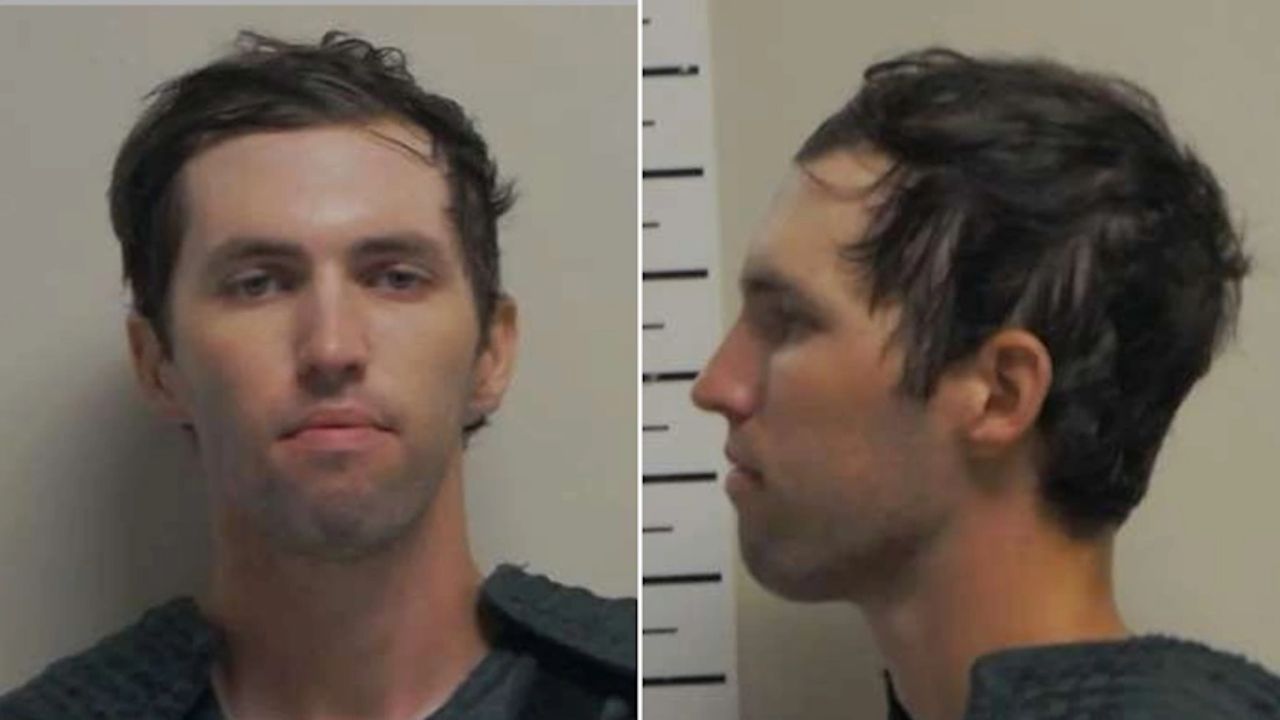
Federal prosecutors say the case involves Raul Garcia Cordova, 53, and his son Armando Castro Flores, 28, who is also known by the alias “Randy Savage.” Both men were indicted this month by a federal grand jury in Arizona on charges of conspiracy to distribute cocaine and distribution of cocaine, according to court records.
Federal Investigation Uncovers Alleged Drug Network
The investigation began in July, when agents with Homeland Security Investigations (HSI) learned that a transnational criminal organization had allegedly established operations in Tucson. Authorities believe the group was using the city as a hub to distribute controlled substances to states including New York, Alabama, and Georgia.
According to investigators, Cordova played a central role in the operation by coordinating transportation and delivery logistics. Federal agents allege that the network relied on trusted couriers and encrypted communications to move large quantities of cocaine across state lines.
Undercover Meetings Detail Alleged Plan
Court records describe a series of meetings between Cordova and an undercover HSI agent that unfolded over several weeks.
In August, the undercover agent allegedly met Cordova, who was reportedly seeking drivers capable of transporting narcotics long distances. During a second meeting, prosecutors say Cordova showed the agent a photo of a brick of cocaine on his cellphone and explained that 10 to 20 kilograms of cocaine needed to be transported from Tucson to Alabama.
At a third meeting, authorities allege Cordova and his son provided the agent with an encrypted cellphone and detailed instructions for delivering the drugs to a contact in Alabama known only as “Pops.”
40 Pounds of Cocaine Allegedly Handed Over
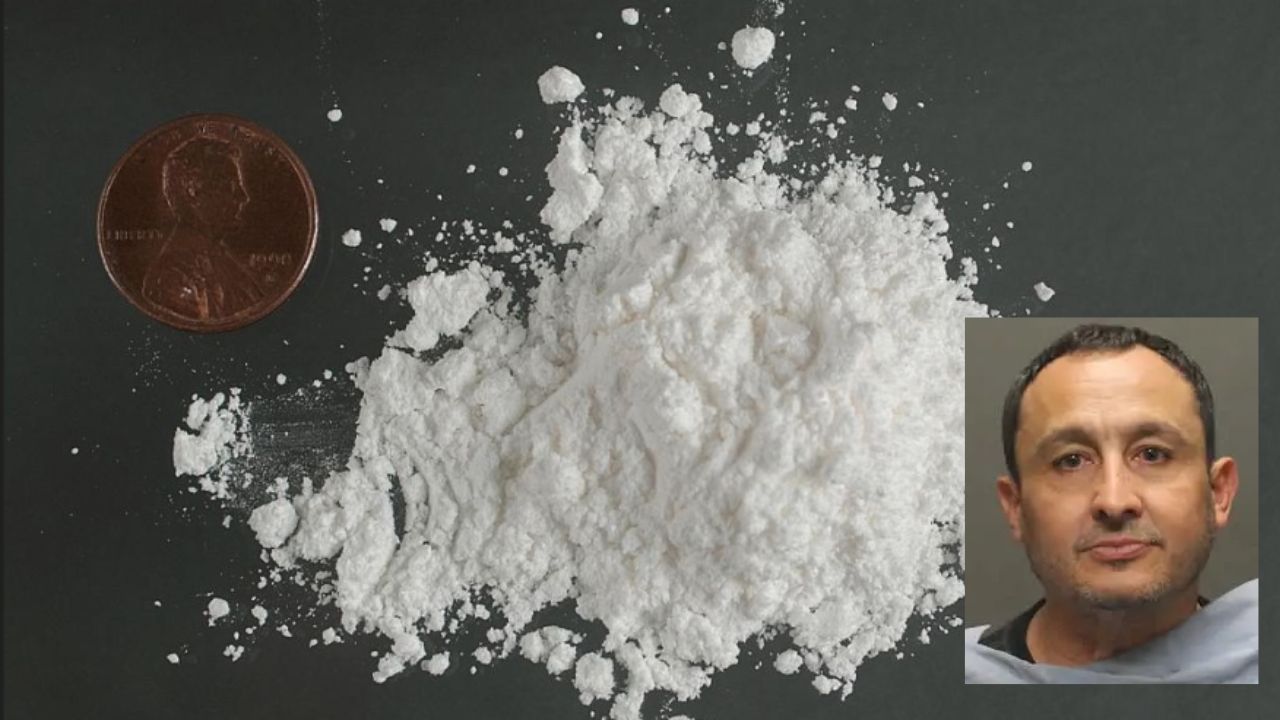
The indictment states that on October 30, Cordova allegedly gave the undercover agent $2,000 in cash to cover travel expenses along with 15 bricks of cocaine weighing approximately 18.2 kilograms, or about 40 pounds.
Investigators say the undercover agent transported the cocaine and completed the delivery on November 4 at a truck stop in Montgomery, Alabama. Law enforcement officials in Alabama arrested Pops later the same day, further advancing the federal case.
Arrests and Ongoing Manhunt
Records show that Castro Flores was arrested in Tucson on November 14. A federal judge has since issued a no-bond warrant for the arrest of Cordova, who remains at large.
Prosecutors believe Cordova poses a significant flight risk due to the scale of the alleged operation and his prior encounters with federal law enforcement.
Prior Drug and Counterfeit Vape Case Resurfaces
Cordova is not new to federal scrutiny. Authorities previously linked him to a 2019 investigation involving the shipment of illegal drugs and counterfeit THC vape pens, allegedly with assistance from United Parcel Service employees.
That investigation culminated in a raid on Cordova’s $2.4 million home, during which agents seized multiple high-value assets, including SUVs, pickup trucks, a motorboat, a sports car, and a trailer, according to earlier reports. While that case brought significant attention to Cordova, prosecutors now say the current charges involve a far larger cocaine distribution effort.
Case Sealed Over Flight and Evidence Concerns
The U.S. Attorney’s Office has requested that the court seal portions of the case, citing concerns that remaining defendants could flee the jurisdiction or dispose of evidence if additional details became public.
Federal judges often grant such requests in large-scale drug cases, particularly when suspects remain at large and investigators are still pursuing related leads.
Potential Penalties If Convicted
If convicted on the federal cocaine distribution and conspiracy charges, both men could face decades in prison, along with substantial fines. Federal drug trafficking penalties increase sharply based on drug quantity, prior convictions, and the involvement of interstate or international distribution networks.
Broader Impact and Ongoing Investigation
HSI officials say the case highlights how Arizona continues to serve as a key transit point for narcotics destined for other regions of the country. Investigators are still working to determine whether additional suspects were involved and whether more shipments were planned.
Authorities have not ruled out further arrests as the investigation continues.
Anyone with information related to the case is encouraged to contact federal law enforcement.
Share your experiences or thoughts on how large-scale drug trafficking affects local communities in the comments below.