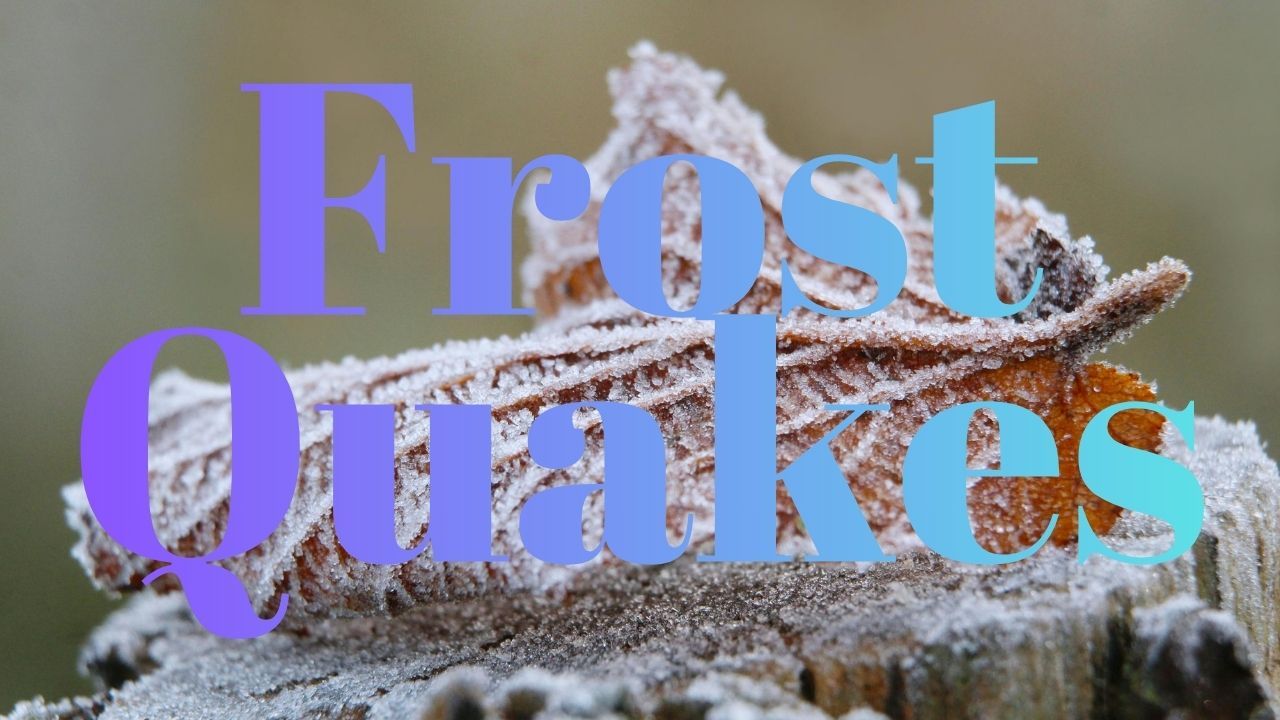
Charleston, West Virginia – Residents across much of West Virginia may soon experience loud, startling booms during overnight hours, but experts say the sounds are not linked to explosions, earthquakes, or thunderstorms. Instead, officials explain they are likely frost quakes, a rare but natural winter phenomenon triggered by rapidly freezing ground.
What Is Causing the Loud Booms?
According to the West Virginia Geological and Economic Survey (WVGES), frost quakes—also known as cryoseisms—occur when moisture trapped in the soil freezes extremely fast. Water from recent rain or melting snow seeps into the ground, and when temperatures plunge suddenly, that water expands into ice.
As the ice expands, it creates intense underground pressure. When the pressure becomes too strong, the ground cracks suddenly, releasing energy in a sharp, explosive sound that can echo across neighborhoods. Many people report hearing what sounds like thunder, a blast, or even something hitting their home.
Why West Virginia Is at Higher Risk Right Now
Meteorologists say West Virginia’s recent weather pattern makes frost quakes more likely. The state has experienced milder rain followed by abrupt cold snaps, a combination that provides both moisture and rapid freezing—two essential ingredients for cryoseisms.
Central and northern parts of the state face the highest risk, especially areas stretching from Charleston through Morgantown, where forecasts show temperatures dropping from above freezing into the low teens within a single day.
Snow cover also plays a key role. Regions with little or no snow are more vulnerable because snow acts as a natural insulating blanket. Without that insulation, cold air penetrates the soil faster, increasing the chance of sudden ground freezing.
When Frost Quakes Usually Happen
Frost quakes most commonly occur between midnight and dawn, when temperatures reach their lowest point. They are brief events, often lasting only seconds, but the noise can be powerful enough to wake residents from sleep.
People near frost quakes have reported:
- Loud booming or cracking sounds
- Vibrations felt through floors or walls
- Windows rattling
- Sudden shaking similar to a minor tremor
Despite how dramatic they may feel, frost quakes are not earthquakes and do not involve tectonic activity.
Can Frost Quakes Cause Damage?
Experts emphasize that frost quakes are generally harmless, but minor surface effects can occur. These may include:
- Small cracks in pavement or sidewalks
- Frost heaves in soil near foundations
- Minor shifting in gravel or driveways
Structural damage to homes is extremely rare. However, the sounds can be unsettling, especially for those unfamiliar with the phenomenon.
How to Reduce Risk Around Your Home
While frost quakes themselves cannot be prevented, homeowners can take steps to minimize potential impacts, particularly near foundations.
Experts recommend:
- Ensuring proper drainage around the home
- Redirecting downspouts away from foundations
- Filling low spots where water can pool
- Checking for cracks in pavement or walkways before winter freezes
Keeping excess water away from structures reduces the amount of moisture that can freeze and expand near buildings.
Why Frost Quakes Are Often Misidentified
Because frost quakes happen suddenly and without warning, they are often mistaken for other events. Emergency services sometimes receive calls reporting explosions, gunshots, or structural failures during cold snaps.
Geologists note that frost quakes do not register on traditional earthquake monitoring systems, which adds to the confusion. Their localized nature and brief duration make them easy to misinterpret, especially during calm, clear winter nights.
What Residents Should Know
If you hear a sudden boom during a cold West Virginia night, experts say there is usually no cause for alarm. Frost quakes are a natural response to extreme temperature changes and tend to occur only during specific weather conditions.
As winter continues and sharp freezes follow wet weather, similar reports may increase across the state.
Final Takeaway
From Charleston to Morgantown, West Virginians may hear unexpected nighttime booms as temperatures plunge—but experts confirm the cause is likely frozen ground cracking under pressure. While startling, frost quakes are temporary, harmless, and part of the region’s winter weather cycle.
If you’ve experienced a frost quake or heard unusual sounds during recent cold nights, share your experiences in the comments below.