
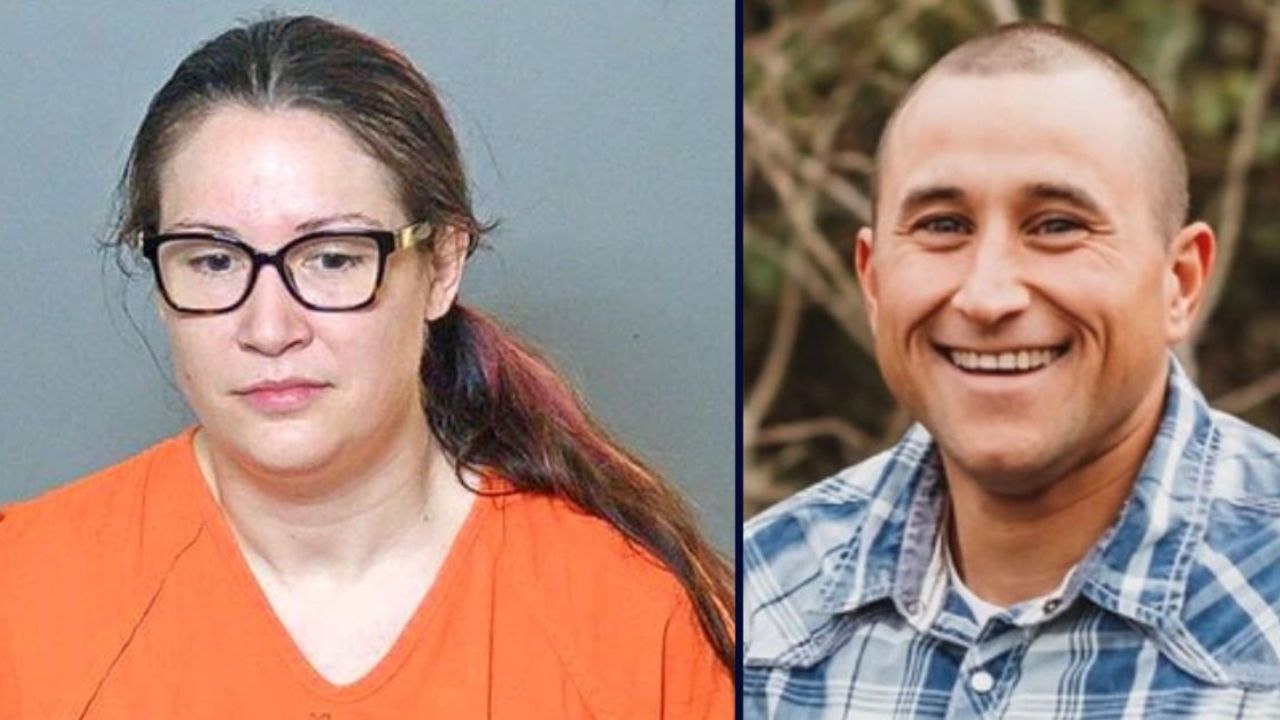
Appleton, Wisconsin – A Wisconsin woman who tried to convince investigators that her boyfriend had “stabbed himself” has been sentenced to decades in prison, ending a year-long case marked by drug use, witness accounts, and a dramatic courtroom showdown.
Incident Overview
The deadly encounter unfolded on June 18, 2024, when Samantha Jean Krebs, 40, stabbed her boyfriend Joseph “Joey” Carnot, 35, during an argument inside their shared apartment in Appleton—a city roughly 30 miles southwest of Green Bay. Prosecutors said Krebs was high on methamphetamine and acted during an escalation of long-standing conflicts.
According to court testimony and criminal complaint details reported by the Green Bay Press-Gazette, Krebs tried to shift the blame immediately after the stabbing, insisting that Carnot had fatally wounded himself.
Timeline of Events
Two friends—a boyfriend and girlfriend—arrived at the apartment for an evening of games and conversation. Instead, they stepped into a gruesome scene.
“Holy f–,” one witness exclaimed upon seeing Carnot bleeding on the floor, according to the complaint. The couple later told investigators that Krebs instantly urged them to lie.
“Just tell the cops Carnot stabbed himself,” one witness said Krebs told him, looking him “dead in the eye.”
Krebs then reportedly panicked, repeating that she couldn’t return to prison. This fear was tied to her lengthy criminal history, which includes convictions between 2011 and 2022 for battery, drug possession (methamphetamine, cocaine, heroin), and injury by negligent use of a weapon.
Witness Accounts and Bizarre Behavior
What happened next stunned investigators. As one witness prepared to call for help, Krebs asked them to search for her wallet and keys, delaying their response. Before leaving, she reportedly kissed Carnot, saying she was sorry and that she loved him.
Moments later, she fled in a vehicle with no license plates, later located at a friend’s house. There, she continued her claim:
“I just watched my fiancé kill himself and now I’m being arrested.”
Details From Police and Prosecutors
Investigators quickly rejected her narrative. Prosecutors argued during the October trial that Krebs, high on methamphetamine, stabbed Carnot in the chest with a kitchen knife, piercing his heart, and then spent days attempting to build a false story.
During the five-day trial, Krebs testified in her own defense, leading to several tense exchanges.
One prosecutor pressed her on leaving the scene:
“Your fiancé… is bleeding out and dying on the kitchen floor and you leave.”
Krebs insisted she didn’t know he was dying. The prosecutor responded:
“Samantha, you talked about him being unconscious and having blood gushing from his chest.”
Krebs admitted she was high that day and said she was more worried about being caught with meth than about Carnot’s condition.
Conviction and Sentencing
In September 2024, a jury found her guilty of first-degree intentional homicide. On Wednesday, Outagamie County Circuit Court Judge Vincent Biskupic sentenced Krebs to life in prison, with the possibility of parole after 36 years.
Despite the guilty verdict, Krebs maintained her innocence during sentencing.
“I know I’m not responsible for his death… There’s no f–ing way,” she told the court, crying as she addressed the judge.
Judge Biskupic firmly rejected her version of events.
“Today, you don’t accept any responsibility… ‘It’s a suicide, judge.’ I’m not buying that.”
Criminal Background and Pattern of Behavior
Court records revealed a pattern of violence and drug-related offenses spanning more than a decade. Witnesses also told investigators that Krebs had a reputation for dangerous behavior and aggression during drug use.
Because of this history—and the brutality of Carnot’s death—prosecutors argued she posed a continuing threat to public safety.
Public Safety Context
Methamphetamine use remains a widespread problem in several Wisconsin counties, contributing to violent incidents, impaired judgment, and repeat criminal behavior. Authorities emphasize the importance of early intervention, community awareness, and treatment options for individuals battling addiction.
Residents are encouraged to report domestic disturbances, signs of drug use, and escalating conflict before they turn deadly.
Conclusion
The tragic death of Joseph Carnot and the sentencing of Samantha Krebs marks the end of a case steeped in violence, addiction, and denial. While the court’s ruling brings closure to Carnot’s family and friends, it also underscores the ongoing dangers of substance abuse and domestic conflict.
What are your thoughts on this case? Share your experiences in the comments below.