Providence, RI – Rhode Island residents are being warned to begin preparing now for potential freezing rain and ice storm conditions this winter, as officials highlight the growing risks linked to rapidly shifting temperatures. While snow is a familiar New England challenge, experts stress that ice accumulation is far more damaging and can bring everyday movement to a standstill within minutes.
Winter Threat Overview
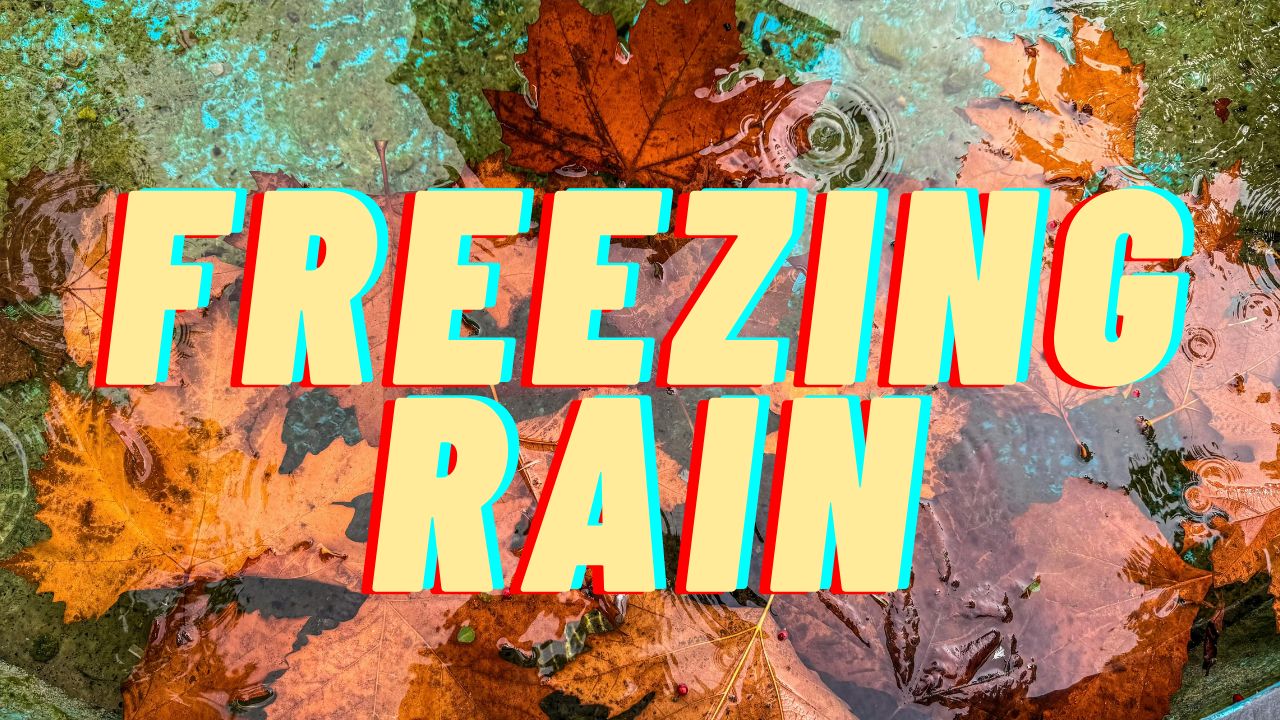
Freezing rain remains one of the most dangerous winter hazards in the Northeast, according to the National Weather Service (NWS). Even light icing can coat trees, roads, and power infrastructure so quickly that outages and accidents begin before residents have time to react. Rhode Island’s older neighborhoods, heavily wooded areas, and narrow secondary roads only amplify the danger.
In a recent advisory, NOAA noted that even a thin glaze of ice is capable of snapping weak tree branches, bringing down powerlines, and triggering sudden roadway hazards—especially along elevated routes and coastal corridors. With temperatures forecast to fluctuate throughout the week, officials say that today is the ideal time for residents to take precautionary steps.
Steps Recommended by Weather Officials
The NWS is urging residents to begin winterizing properties and vehicles. One of the first tasks involves clearing weak or damaged branches, which are often the first to collapse when coated in ice.
“Ice storms can be extremely disruptive across Rhode Island,” the NWS said. “Preparation today is the best defense this winter.”
Officials also advise avoiding a common mistake: leaving vehicle wipers raised before a storm. This can cause the blades to freeze to the windshield and potentially break. Instead, wipers should be kept lowered and covered with a cloth or protective barrier.
Roads, Travel, and Infrastructure Concerns
Rhode Island frequently sees disruptions on major highways during ice storms, including I-95, Route 6, Route 10, and the Newport and Jamestown bridges. These locations are particularly vulnerable due to their elevation and exposure to coastal winds.
Residents are being reminded not to park vehicles under trees, where falling ice-coated branches can cause severe damage without warning. Past winter events have shown that even neighborhoods far from wooded areas can experience outages when nearby lines are hit by falling limbs.
Emergency Preparedness at Home
State emergency managers emphasize the need for at least one week’s supply of essential items. This includes non-perishable food, bottled water, and important prescription medications. Ice storms, unlike short snow events, can paralyze transportation and delay the restoration of utilities.
To maintain communication during power interruptions, the following steps are advised:
- Fully charge all phones, flashlights, and portable power banks
- Test generators in advance and store extra gasoline safely
- Stock up on rock salt or ice melt for walkways
- Keep extra blankets and warm clothing ready in case heating systems go offline
Maintaining a safe indoor environment is equally important, as the risk of slip-and-fall injuries rises around frozen walkways and driveways.
Why Rhode Island Is Especially Vulnerable
The state’s mix of coastal humidity, tightly packed neighborhoods, and tree-lined streets creates ideal conditions for icing. Even when snowfall totals are low, warm air aloft can combine with surface-level cold to produce layers of freezing rain instead of snow. This particular setup has historically caused some of the region’s most damaging winter events.
Experts warn that as winter patterns continue to shift, the frequency of mixed-precipitation storms may increase—placing even more importance on preparedness.
Community Awareness and Final Safety Notes
With officials urging action, residents are encouraged to discuss plans with neighbors, especially elderly individuals or those with medical conditions who may require additional support during prolonged outages.
Preparing today—before temperatures begin to drop sharply—can reduce last-minute stress and help families avoid dangerous travel conditions when storms hit.
Conclusion
Rhode Island’s winter season may shift rapidly from mild to hazardous conditions, and freezing rain remains a major threat to roads, powerlines, and everyday routines. Taking preventive measures now can significantly reduce the impact of a major ice event in the coming weeks.
Share your experiences in the comments below.